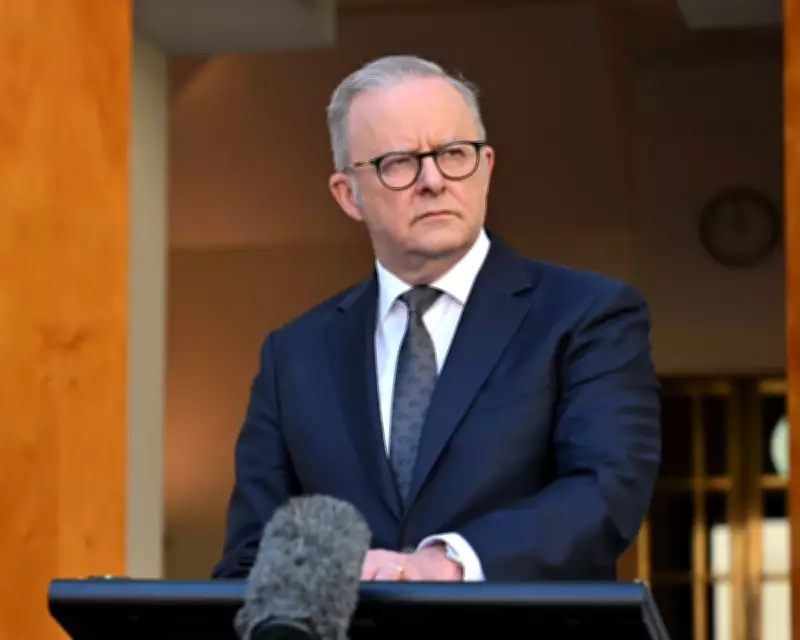
Australian political leaders are currently locked in a fierce and highly publicized debate over the nation's escalating fuel prices, a situation that has been dramatically intensified by ongoing global oil market instability. This crisis is largely attributed to geopolitical tensions, including the conflict involving Iran, which has disrupted international supply chains and driven costs upward. The issue has become a central point of contention in the national political arena, with significant implications for both the economy and public sentiment.
Political Figures at the Forefront of the Fuel Price Debate
Prime Minister Anthony Albanese, representing the Labor Party, has faced mounting pressure from opposition leaders as fuel prices continue to surge. Figures such as Angus Taylor from the Liberal Party and Matt Canavan of the National Coalition have been vocal in their criticism, arguing that the current administration's policies are insufficient in addressing the economic strain on Australian consumers. The debate extends beyond mere political rhetoric, touching on broader concerns about energy security, inflation, and the government's role in mitigating the impacts of global crises.
Global Factors Exacerbating Domestic Challenges
The global oil crisis, fueled in part by the war in Iran, has created a volatile environment that directly affects Australia's fuel market. This international instability has led to increased prices at the pump, putting additional financial pressure on households and businesses alike. Analysts suggest that the situation is unlikely to resolve quickly, as geopolitical conflicts continue to influence oil production and distribution worldwide. In response, Australian leaders are being called upon to develop strategic measures to cushion the blow, including potential subsidies or alternative energy initiatives.

Broader Implications for the Australian Economy
Beyond the immediate concerns over fuel costs, this debate highlights deeper economic vulnerabilities within Australia. Rising fuel prices contribute to higher transportation and production costs, which can lead to increased prices for goods and services across the board. This inflationary pressure poses a challenge for the government's economic management, particularly as it seeks to balance growth with stability. The political clash over fuel prices thus reflects a larger struggle over economic policy direction, with both sides presenting competing visions for how to navigate these turbulent times.
As the debate rages on, Australian citizens are left grappling with the real-world consequences of these political and global dynamics. The outcome of this conflict could shape not only fuel affordability but also the broader economic landscape in the coming months. With leaders from all major parties actively engaging in the discussion, the issue remains a top priority on the national agenda, underscoring the critical intersection of politics, economics, and global affairs in contemporary Australia.