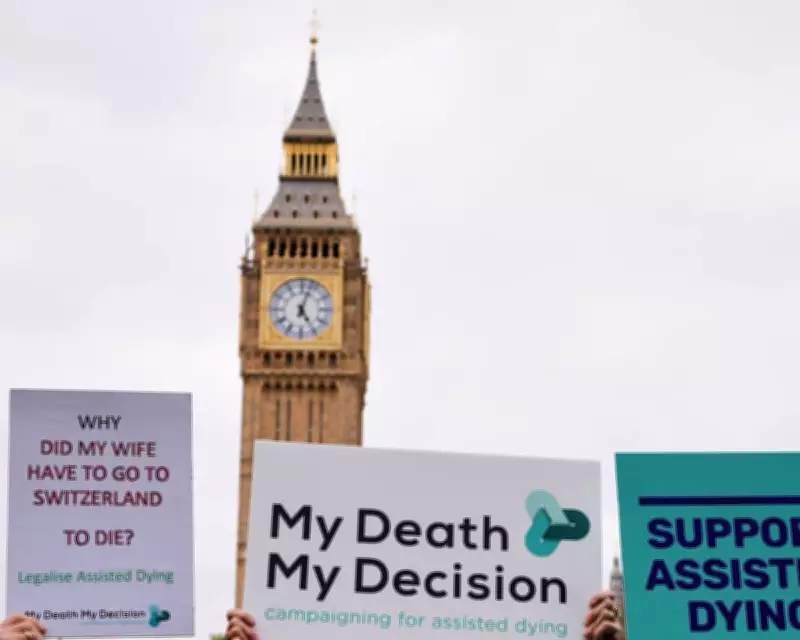
Assisted Dying Legislation Stalls in House of Lords Amid 'Sabotage' Claims
Campaigners supporting new assisted dying laws have launched scathing accusations against members of the House of Lords, claiming deliberate "sabotage" tactics are preventing the legislation from progressing. The proposed bill, which would permit assisted dying for terminally ill individuals with less than six months to live, successfully passed through the House of Commons but now faces significant obstacles in the upper chamber.
Why the Assisted Dying Bill Is Failing to Become Law
The legislation originated as a private member's bill introduced by backbench MP Kim Leadbeater and received majority support in the House of Commons through a conscience-based free vote. Despite lacking official government backing, the bill advanced to the House of Lords where a small group of opponents have employed strategic amendments to delay proceedings.
With fewer than six parliamentary days remaining in the current session ending in May, the extensive amendment process has effectively stalled the bill's progress. Labour whip Roy Kennedy confirmed the government would not allocate additional time, citing competing legislative priorities and limited sitting days.

The Parliamentary Standoff and Future Prospects
Supporters of the legislation, including Leadbeater and Lord Falconer, are preparing to reintroduce the bill in the next parliamentary session. They have obtained legal advice suggesting they could employ the 1911 Parliament Act - described by some as the "nuclear option" - to force the legislation through without Lords' consent.
This would mark the first application of the Parliament Act to a private member's bill, potentially allowing the Commons to override Lords' objections after reintroduction in the new session. Historical precedents include using the act to decriminalize homosexuality and ban foxhunting.
The Constitutional Conflict
Opponents in the Lords argue their actions are justified because the legislation lacks government sponsorship and wasn't included in Labour's election manifesto. They maintain they're fulfilling their scrutiny role, claiming the Commons didn't adequately examine the bill's implications.
Supporters counter that this undermines parliamentary democracy and Commons primacy. Dame Esther Rantzen specifically accused certain peers of "blatant sabotage," noting they've submitted approximately 1,200 amendments not for legitimate scrutiny but to deliberately obstruct the bill's passage.
What Happens Next
The legislative path forward involves:
- Reintroducing identical legislation in the new parliamentary session
- Securing passage through the Commons again
- Potentially invoking the Parliament Act if Lords continue opposition
- Either through private member's bill procedures or government-allocated time
This developing constitutional clash highlights ongoing tensions between elected and appointed parliamentary bodies while terminally ill patients await clarity on end-of-life options.