The PoulTree Chicken Rod: Revolutionizing Roast Chicken with Simple Design
Roast chicken is a classic dish that seems straightforward—requiring only a chicken, salt, and an oven—yet achieving perfection is notoriously difficult. Many home cooks have faced disappointing results, from soggy or burnt skin to unevenly cooked meat, often relying on gravy to mask flaws. As a chef, culinary educator, and primary household cook, I have never settled for mediocre outcomes, experimenting with various methods to master the ideal roast chicken.
What Is the PoulTree Chicken Rod?
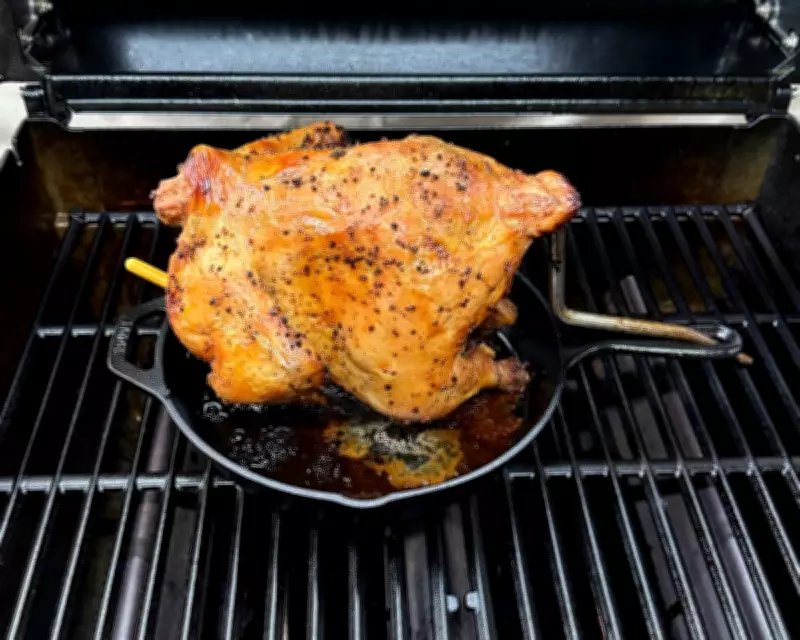
The PoulTree chicken rod is a low-tech, stainless steel tool designed to suspend a chicken above a cast iron pan during roasting. Weighing approximately half a pound and measuring 15 inches in length, it fits securely into the handle of a Lodge cast iron skillet or similar pans. Founder Tony Smith describes it as a "no-tisserie," allowing the chicken to hang freely for optimal cooking.
This innovative design enhances browning and crisping by utilizing radiant heat from the pan and circulating hot air in the oven. It also facilitates rapid evaporation of steam from the chicken, which is crucial for achieving crispy skin, given that chicken is two-thirds water. Additionally, the pan collects flavorful drippings, perfect for creating gravies or enhancing side dishes like vegetables and potatoes.

How to Cook with the PoulTree Chicken Rod
To use the PoulTree rod, preheat your oven to 425°F and roast the chicken for about one hour. For best results, season the chicken generously with a dry rub, such as salt and herbs de Provence, and air-dry it in the refrigerator for a day or two before cooking. Sliding the chicken onto the rod is simple, but removing it after cooking requires care, as it may stick slightly—tongs can help with this.
PoulTree recommends roasting the chicken over an empty pan to avoid excess steam, which can hinder crispiness. After roasting, let the chicken rest for 15 minutes. During this time, use the drippings in the pan to roast vegetables like Brussels sprouts, scallions, and potatoes, adding butter and salt for flavor. This method ensures uniformly browned, juicy chicken with perfectly cooked legs, while the vegetables can be enhanced with a quick pan sauce made from deglazing with red wine, chicken stock, cream, and thyme.
Tips and Considerations for Optimal Results
For successful use of the PoulTree rod, avoid convection oven settings, as the fan can cause grease to splatter and lead to over-browned or burnt skin. Instead, use the conventional oven setting. The tool is ideal for those who enjoy experimenting in the kitchen; adjusting heat levels or cooking times can help achieve desired browning and prevent overcooking of the breast. As Smith notes, roasting chicken is both an art and a science, requiring practice and adaptation.
The PoulTree rod is not only effective in ovens but also works well on grills. The brand offers an XL version for turkeys and skillet-free stands for use with sheet pans, making it versatile for various cooking needs. Priced from $24.99 to $29.99, it is an affordable addition to any kitchen, promising reliable, crowd-pleasing results for family dinners.