
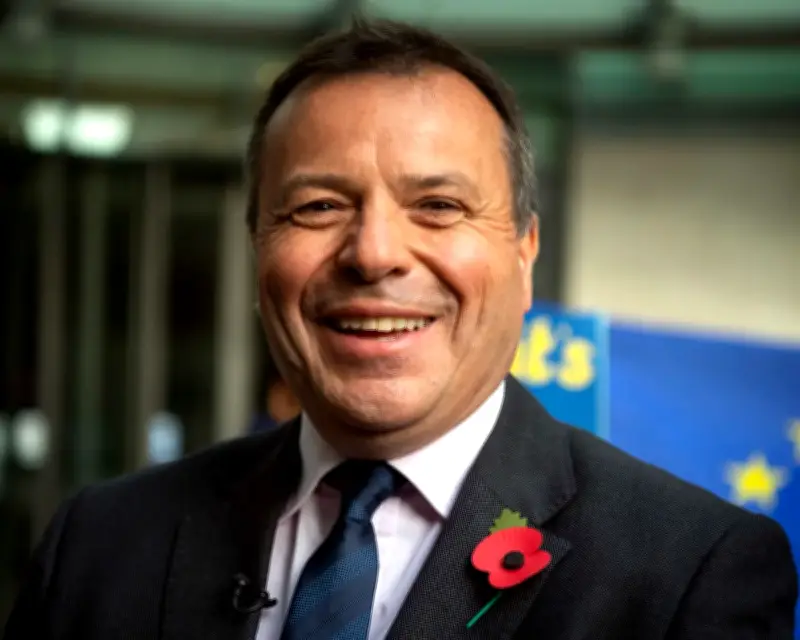
Arron Banks, a major donor to Reform UK, is under mounting pressure to disclose the full scope of his surveillance operations against journalists, following an apparent admission that he hired private investigators to spy on a reporter. The News Media Association (NMA), which represents the UK's regional and national press, has condemned the practice as an "attack on our democracy."
Admission and Allegations
Over the weekend, Banks appeared to confirm that he commissioned private investigators to surveil a Sunday Times journalist, Gabriel Pogrund, editor of the paper's Insight investigations team. The revelation, first reported by the New Statesman, has raised fears that other journalists investigating the funding of Reform and its leader Nigel Farage, including those at the Guardian, may have been targeted. When asked directly whether he had paid investigators to look into Pogrund, Banks responded, "When you live by the sword, you die by the sword."
According to the New Statesman, Banks instructed Precision Risk and Intelligence, a private investigations company he once owned, to examine Pogrund. Banks told the magazine, "We believe the Sunday Times used hacked information and that was an area of interest. We do have an investigative arm that's got advanced capabilities." The Sunday Times has strongly rejected this suggestion.
Industry and Political Reaction
Theo Bamber, chief executive of the NMA, said such aggressive tactics to deter journalistic inquiry risk becoming normalised. "Using private investigators to try to deter journalists from making legitimate inquiries about public figures is an attack on our democracy," he said. "Sadly, intimidation and abuse of local and national journalists is increasingly used as a weapon to limit scrutiny and deflect attention away from matters of public interest. This must not become normalised. Ministers must wake up to this threat to our democracy and do much more to protect the independent journalism which underpins our democratic way of life."
Jemimah Steinfeld, chief executive of Index on Censorship, urged Banks to be transparent about the extent of his surveillance. "I really, really hope that it's not happening to other journalists. But my fear is that it will be, because Gabriel is not the only one who's asking the right questions about Reform," she said. "These tactics are often used to just stop the questions, to stop accountability, and that can have hugely detrimental effects on our democratic structure."
Political Figures Speak Out
Nicky Morgan, a former Conservative culture secretary, said such intrusions into press freedom are "not compatible with an open democracy." She added, "Investigating a journalist can only be intended to have a chilling effect on free speech." Lisa Smart, the Liberal Democrats' Cabinet Office spokesperson, called the hiring of private investigators "a desperate attempt to dodge accountability," stating that anyone who uses such tactics "demonstrates complete contempt for a free press and should have no business in British public life."
Reform UK has denied any knowledge of Banks's alleged use of investigators. Gawain Towler, a member of Reform's board and former Ukip press chief, expressed discomfort but raised questions about sourcing. "Personally I don't like it," he said. "But truly how in the light of the situation does one ask questions with a possibility of getting an answer?" He added, "I think the issue with Banks is that there was actually silence about this possible collusion with the [National Crime Agency and journalists] … It would be ridiculous of us not to ask questions. So how do you ask questions?"
Background and Broader Concerns
Banks, who helped run the pro-Brexit campaign group Leave.EU, is reported to have previously hired what he described as "ex-MI5 and SAS" operatives to surveil political opponents in the run-up to the EU referendum. Among those targeted was Matthew Elliott, a Conservative peer and chief executive of the rival Vote Leave campaign. Elliott has warned that such tactics will "drive out the decent people we need in public life."
The Guardian and the Sunday Times have published a series of stories in recent months revealing how cash has been given to Reform and Farage personally from donors and wealthy benefactors. The NMA's concerns highlight a growing trend of intimidation against journalists, which threatens the media's role in holding power to account.




