Angus Taylor Triumphs in Liberal Leadership Contest
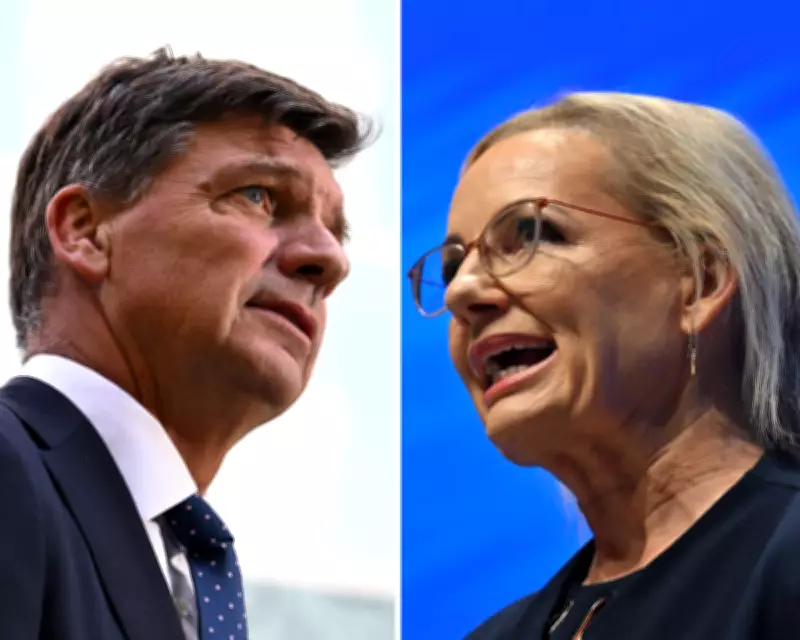
Angus Taylor has emerged victorious in the Liberal Party leadership ballot, defeating Sussan Ley to become the new opposition leader. The former shadow defence minister secured a commanding win in the partyroom vote, marking a significant shift in the party's direction after months of internal turmoil.
Decisive Victory in Partyroom Ballot
Taylor won the leadership with thirty-four votes to Ley's seventeen, following a successful spill motion that passed thirty-three votes to seventeen with one informal vote. The Friday morning meeting culminated a prolonged campaign by conservative forces within the Liberal Party to challenge Ley's leadership, which had been supported by the moderate faction following Peter Dutton's election defeat in May 2025.
End of Ley's Tumultuous Leadership
Sussan Ley's nine-month tenure as the first female leader of the Liberals was characterized by persistent challenges from right faction opponents who questioned her conservative credentials. Despite overseeing the party's abandonment of its net zero by 2050 commitment—a position originally established when Taylor served as energy minister under Prime Minister Scott Morrison—and maintaining strong support for Israel, critics argued she hadn't taken sufficiently forceful positions on migration, cultural issues, or cost-of-living policies.

Internal Divisions and Resignations
Ley's leadership faced additional strain from two separate splits with the National Party, driven by disagreements with leader David Littleproud. The second split in January, following National Party members breaking from shadow cabinet solidarity over the Coalition's response to the Bondi massacre legislation, reignited leadership challenges. As conservative figures Andrew Hastie and Taylor positioned themselves to challenge Ley, the Hume MP emerged as the right faction's preferred candidate.
The leadership contest triggered a wave of high-profile resignations, beginning with Taylor stepping down as shadow defence minister. This was followed by departures of shadow ministers James Paterson, Jonno Duniam, Dan Tehan, and key Ley supporter James McGrath, signaling deep internal divisions within the party.
Implications for Australian Politics
Taylor's elevation to opposition leader represents a consolidation of conservative influence within the Liberal Party. The leadership change comes at a critical juncture as the party seeks to redefine its policy direction and rebuild electoral support following recent setbacks. The outcome underscores ongoing tensions between moderate and conservative factions that continue to shape Australia's political landscape.