
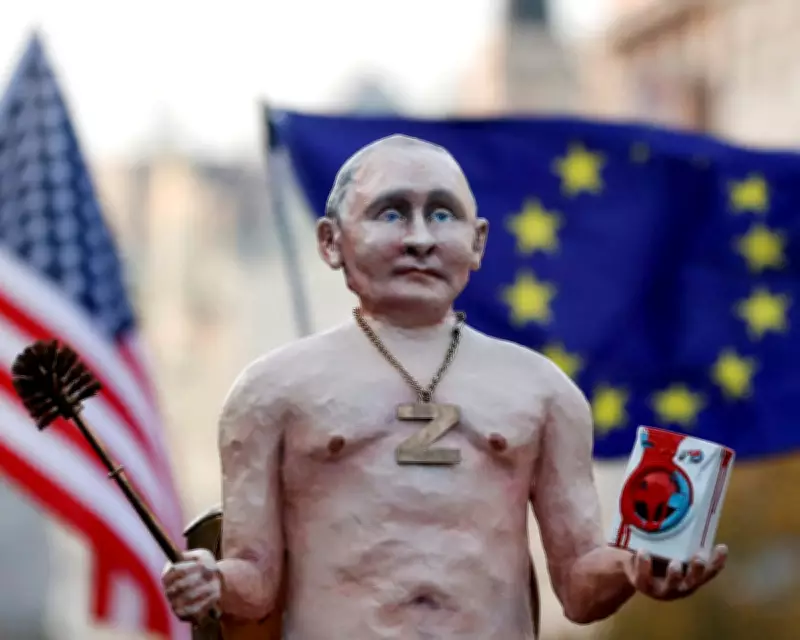
Political Observers Sound Alarm on Modern Populism's Dangerous Characteristics
Political analysts are raising urgent concerns about the visible rise of populism across Europe, with particular attention focused on recent developments in Prague, Czech Republic. The discussion follows Oliver Eagleton's examination of whether common strands within populism can still be discerned in contemporary politics.
The Left's Historical Roots Versus Populism's Divisive Nature
While traditional left-wing politics maintains deep roots in collective struggle and structures aimed at improving working people's lives, modern populism operates on fundamentally different principles. According to political commentator Kevin Lloyd, populism inherently promotes cultural division while systematically suborning state institutions to serve a singular leader who claims to be the only force capable of holding the nation together.
Lloyd elaborates that populism's common characteristics include self-aggrandizing demagoguery by political charlatans, frequent corruption, colorful legal histories, and strong attachments to some of the world's most concerning authoritarian regimes. Particularly troubling are the consistent connections to the Kremlin-based Russian government, alongside deliberate opacity regarding funding sources and definitions of common sense drawn from the most simplistic public discourse.
Far-Right International Networks and Racist Undercurrents
The analysis further reveals that modern populism often couples outright racism with membership in far-right international networks, frequently labeled as national conservatism movements. These networks provide both strategic playbooks and financial support for populist endeavors across national borders.
"Sadly, these characteristics are observable daily all around us," notes Lloyd from Highbury, London, emphasizing the pervasive nature of these troubling political developments.
Broader Political Terminology Requires Clarification
Meanwhile, political observer Peter Gray from Chesterfield, Derbyshire suggests that while populism's definition warrants examination, more urgent work needs to establish clearer definitions for "left" and "right" in contemporary political discourse. These terms have become increasingly entrenched yet ambiguous in current political debates across Europe and beyond.
The ongoing discussion highlights growing concerns among political analysts about populism's erosion of democratic norms, its authoritarian affiliations, and its deliberate fostering of societal divisions for political gain.




