
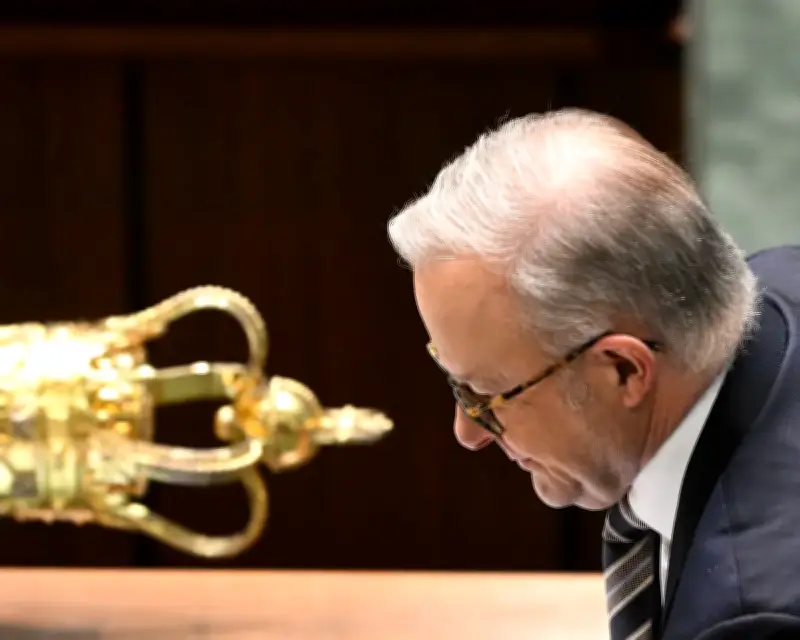
As the so-called melon-gate controversy dominated headlines last week, Prime Minister Anthony Albanese quietly negotiated key deals in parliament, according to Josh Butler of Guardian Australia. Butler argues that the Prime Minister should now shift focus to the substantial legislative wins scheduled for this parliamentary week, including gambling advertising reforms, the news bargaining incentive (NBI), and National Disability Insurance Scheme (NDIS) changes.
Major Reforms Set to Pass with Bipartisan Support
Gambling reform is likely to pass both houses this week, with Albanese conceding on Friday that wagering inducements were “just not on” and pledging to “wind them back.” While a full ban on ads, as recommended by the late Peta Murphy’s landmark report, is not on the cards, some advertising rules will be stronger than in the government’s first draft. Internal advocates for stricter rules in both Labor and Liberal party rooms have conceded they won’t get everything they want but are pleased the final result is beefed up from the original version.
Similarly, reforms to trim billions from NDIS spending forecasts will pass with Labor and Liberal approval, as will the news bargaining incentive, which will have no problems passing. These three areas see the major parties cooperating constructively, a departure from the recent trend of the Coalition, led by Angus Taylor, often choosing to instantly oppose legislation and leaving the Greens and independents to deal with the government.
Cooperation Strategy and Crossbench Exclusion
The common theme is the major parties working together on contentious legislation, cutting the crossbench out of the process. This has been a rarer occurrence recently, with Taylor’s Coalition often opting for immediate opposition instead of seeking amendments. Usually, that means the Greens get to eke out more progressive reforms for their support, making changes less palatable for Coalition constituencies. Most recently, this was seen with the government’s negative gearing and capital gains changes, which passed with little fuss thanks to a deal with the Greens in June. Taylor was asked by journalists at the time what businesses and investors get out of the Coalition “constantly dealing itself out of negotiations.”
Coalition MPs are increasingly voicing concern over Taylor’s tactical calls, eager for more policy to be unveiled and for their leader to pick more fights with Labor. Some think he is playing too safely by sticking to a narrow set of topics in cost of living, immigration, and energy. But this week will see the government and opposition team up on key changes, leaving the crossbench excluded as the major parties quietly stitch up deals. The immediate benefit for the government is obvious: finding easier paths through the Senate with their main counterpart instead of agreeing to more radical changes proposed by the Greens on the NBI, gambling, and NDIS.
Broader Implications for the Two-Party System
More broadly, this cooperation demonstrates how the traditional two-party system can still work, achieving methodical and measured change without having to vote in untried, untested, and fringe operators from outside the mainstream. Taylor is still working out how to stave off One Nation, with his Coalition often echoing Pauline Hanson’s policy platform on immigration, Islamic State-linked families, and even slashing the building code. Demonstrating the benefits of working methodically inside the system—instead of seeking to burn it down—should be an ongoing project.
For Labor, they remember Albanese’s mantra of “safe change” and “orderly government” that brought Labor to power in 2022. Labor believes it’s that same rationale, of making reasonable promises and then working hard to keep them, which will stave off the One Nation threat.
Missed Opportunity and This Week’s Agenda
Butler notes it is a shame Albanese didn’t defuse the melons controversy from the start by apologising or otherwise neutralising the issue, as it allowed the trivial to overshadow a week when Labor got a fair bit done. Even amid the drama, the government bailed out the Tomago aluminium plant, finalised a gun buyback with New South Wales, finalised the NBI, agreed to beef up gambling reforms, introduced legislation to boost wages for childcare workers, released stats showing their bulk billing and home battery schemes were working, and got Donald Trump on the phone to talk tariffs.
This week will also see a visit from the Japanese defence minister to talk naval vessels with Richard Marles. The government wants this week to be another one of “getting things done,” as long as no other fruit-related misadventures trip things up.




