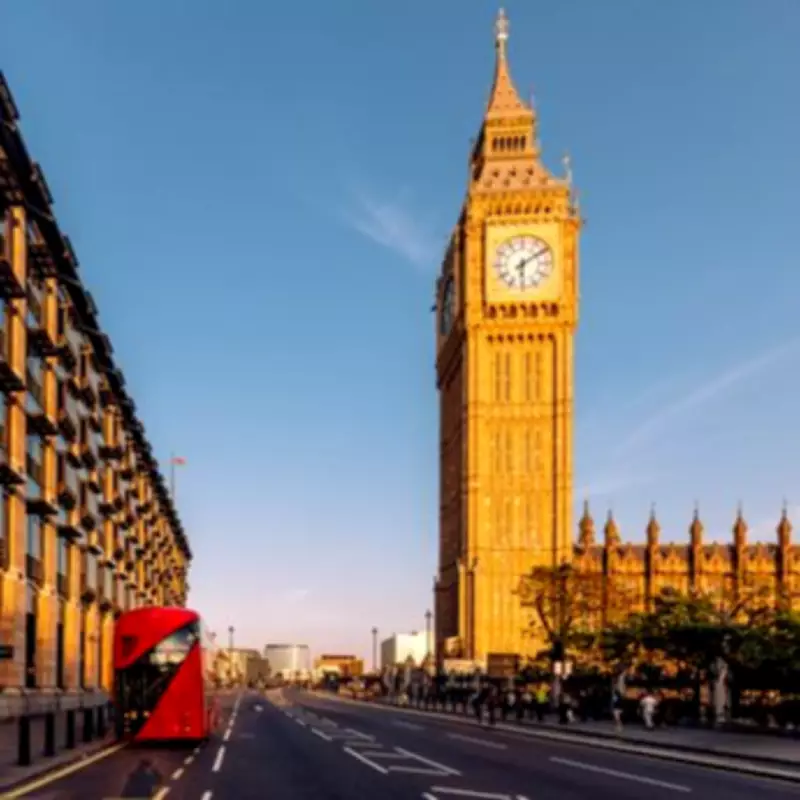
London Prepares for British Summer Time 2026 with Earlier Clock Change
As winter's grip begins to loosen, London residents can anticipate brighter evenings ahead with the imminent arrival of British Summer Time. The annual clock adjustment promises extended daylight hours, bringing welcome relief from the darker winter months.
Exact Date for 2026 Clock Spring Forward
This year, the clocks will advance by one hour on March 29 at 1am, officially transitioning the United Kingdom into British Summer Time. This adjustment occurs one day earlier than the 2025 change, aligning with the longstanding practice of moving clocks forward on the last Sunday of March.
While this shift grants an additional hour of evening sunlight, it does require sacrificing one hour of sleep on that particular night. The reverse adjustment will take place on the final Sunday of October, when clocks retreat by one hour to resume Greenwich Mean Time.

Anticipating London's First 6pm Sunset
Determining the precise date for London's inaugural 6pm sunset remains somewhat speculative at this early stage. Current meteorological projections indicate sunset occurring around 5:44pm on March 3, based on BBC Weather London's latest forecast.
Historical patterns provide valuable insight: during the previous year, London experienced its first 6pm sunset on March 12. This precedent suggests a similar timeframe for 2026, with the milestone likely occurring in early to mid-March as daylight gradually extends.
The Historical Rationale Behind Daylight Saving
The concept of adjusting clocks seasonally originated from early 20th century campaigns advocating for better utilization of daylight hours in northern hemisphere summers. By shifting time forward during warmer months, proponents argued that populations could maximize available sunlight for various activities.
Royal Museums Greenwich documents that William Willett, an early British Summer Time advocate and ancestor of Coldplay vocalist Chris Martin, published a 1907 pamphlet titled 'The Waste of Daylight'. His proposal recommended advancing clocks during spring and reversing them in autumn, though his initial scheme involved four separate 20-minute increments totaling 80 minutes.
Following Willett's 1915 passing, Parliament enacted the Summer Time Act in 1916, establishing the standardized practice of moving clocks forward by one hour during summer months. The selection of weekend mornings for these adjustments aimed to minimize disruption to educational institutions and commercial enterprises.
This annual ritual continues to shape British daily life, balancing the benefits of extended evening daylight against the brief sleep disruption each spring.