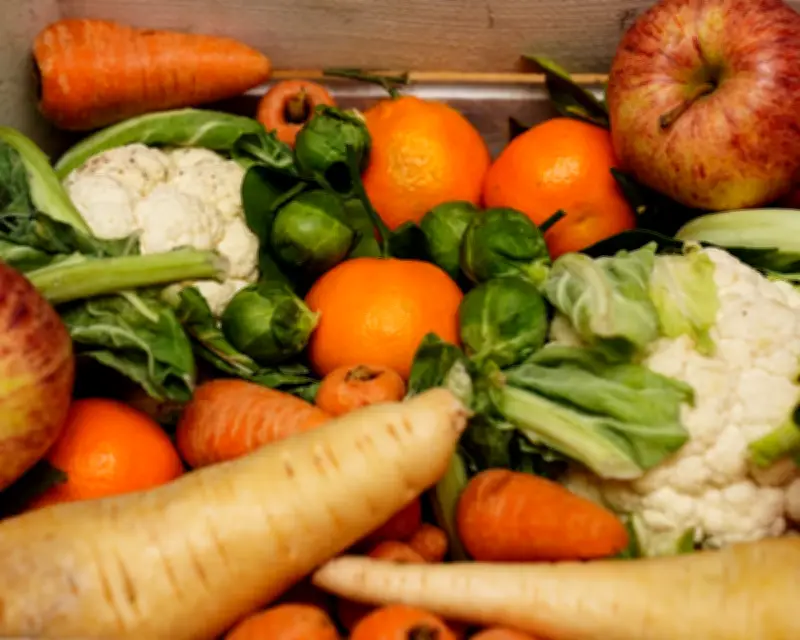
Ann Larson, a former supermarket cashier and author of Cleanup on Aisle Five, recounts the shocking food waste she witnessed daily. Rotisserie chickens, fresh bread, and produce were routinely tossed to maintain full shelves, a practice driven by management's desire to appear appetizing. Larson notes that in the US, up to 40 percent of food produced for consumption goes uneaten, making food the largest contributor to landfills and accounting for up to 10 percent of greenhouse gas emissions.
Overstocking Leads to Massive Waste
A deli employee told Larson that managers insisted on keeping the rotisserie chicken case full at all times, leading to dozens of birds being thrown out nightly. Similarly, a bakery employee reported discarding one to two cartloads of fresh bread each evening. This strategy extends across the store, with produce and other items discarded before expiration to maintain an illusion of abundance.
Food Waste and Worker Hardship
According to a USDA study, supermarkets are a major contributor to food waste, with about 31 percent of waste—133 billion pounds—occurring after food reaches stores. Larson highlights that edible but imperfect food is often thrown out due to shopper preferences. Despite hunger affecting more Americans than during the pandemic, with 70 percent struggling to afford basic needs, donations are rare because they require costly logistics.

Low Wages and Food Insecurity Among Workers
Larson connects food waste to labor conditions. The food industry employs many people of color and immigrants, who earn low wages and face high food insecurity. A 2022 Economic Roundtable report found that about three-quarters of Kroger workers struggled to keep food on the table. Since 2024, grocery worker wages have fallen 15 percent when adjusted for inflation. Larson recounts a colleague fired for marking down nearly expired meat to take home, and another who sold plasma to afford groceries.
A Call for Change
Larson argues that companies avoid paying living wages, using savings to overstock shelves. This creates an appearance of abundance that masks worker insecurity. If employers were forced to raise pay and improve conditions, they would need to rethink a business model that justifies waste. Larson concludes that the connection between labor conditions and food waste must be addressed to create a more equitable system.