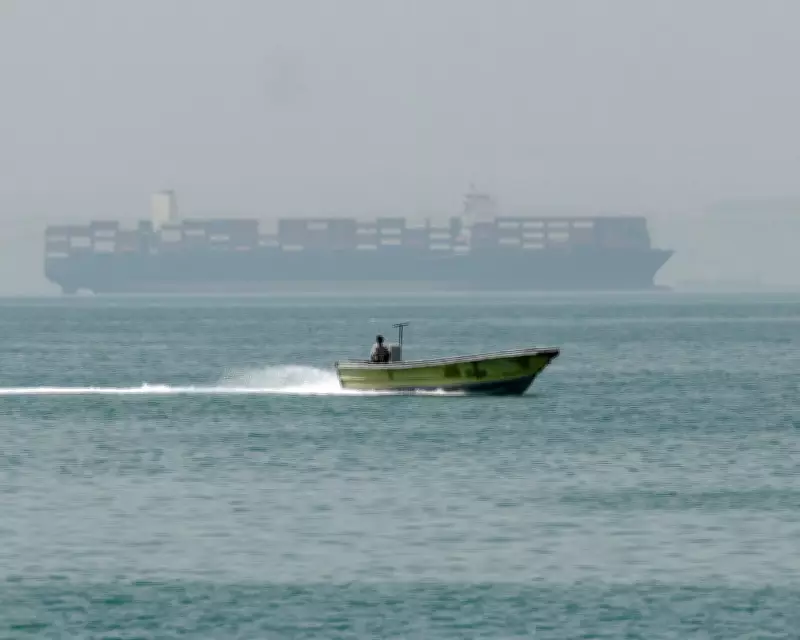
Pakistani mediators are working tirelessly to broker a permanent ceasefire between the United States and Iran, but significant disagreements over the future control of the Strait of Hormuz and Tehran's highly enriched uranium stockpile continue to impede progress. The negotiations, which have been ongoing for several days, are seen as a critical step toward de-escalating tensions in the region.
Key Stumbling Blocks
Washington has demanded that Iran export its stockpile of highly enriched uranium, a condition that Tehran has so far rejected. Iran insists it will downblend the material within its own borders, rejecting offers from Russia to receive the stockpile. Meanwhile, the strategic Strait of Hormuz remains a major point of contention. Pakistan has proposed joint control under United Nations auspices, but Iran has put forward its own plan involving the newly created Persian Gulf Strait Authority (PGSA), which would charge fees and dictate transit routes.
Iran's Proposal and Gulf Opposition
Tehran's proposal for the PGSA has drawn sharp criticism from five Gulf states—Bahrain, Kuwait, Qatar, Saudi Arabia, and the United Arab Emirates—which have written to the International Maritime Authority urging merchant ships not to cooperate with the PGSA. They warn that accepting Iran's plan would set a dangerous precedent by allowing Tehran to control traffic through the strait for monetary gain. Oman, which would be the authority on the south side of the strait under the proposal, has expressed wariness.

US Secretary of State Marco Rubio, speaking at a NATO foreign ministers meeting in Sweden, condemned Iran's attempt to create a tolling system in an international waterway, stating that no country should accept such a move. He also expressed disappointment with Europe's refusal to do more to keep the strait open.
Diplomatic Efforts
Pakistani Interior Minister Mohsen Naqvi met Iranian Foreign Minister Abbas Araghchi for the second time in two days to seek a breakthrough. A planned visit to Tehran by Field Marshal Asim Munir, commander of the Pakistani army, was postponed due to lack of progress, but it may still signal progress if it occurs. Pakistan is also considering bringing China into the mediation process, with Prime Minister Shehbaz Sharif due in Beijing on Saturday.
Iran's Stance
Iran has emphasized that it wants to postpone all talks on its nuclear program and focus instead on a permanent cessation of hostilities. Tehran is seeking a phased lifting of US sanctions, unfreezing of its assets, compensation for war damage from the US-Israeli conflict, and commitments from the US not to resort to force in the future. Iranian Foreign Ministry spokesperson Esmail Baghaei dismissed media speculation about nuclear issues, stating that the focus is on ending the war on all fronts, including Lebanon.
Analysts suggest that US administration statements about the talks should be viewed through the lens of Washington's need to manage global oil prices. Meanwhile, both Israel and Iran fear surprise attacks from each other, and US President Donald Trump has reiterated that a fresh assault on Iran remains an option.