Independent senator David Pocock has labelled Prime Minister Anthony Albanese's stance on gambling advertising a 'tragedy,' as political pressure intensifies for tougher restrictions. The former Wallabies captain's comments come amid a week of explosive allegations about gambling companies' tactics, including claims that problem gamblers were supplied with cocaine, alcohol, and sex workers by VIP account managers.
Allegations and Political Fallout
At a parliamentary inquiry on Monday, veteran campaigner Tim Costello and former NRL player Luke Bateman testified that gambling companies provided high-rolling punters with drugs, alcohol, and luxury accommodations to keep them betting. Bateman admitted to losing approximately $1 million himself, while Costello revealed he was supporting a man imprisoned for stealing millions to fund his addiction.
Responsible Wagering Australia, along with major companies Sportsbet and Tabcorp, denied any knowledge of such practices. However, the allegations have amplified calls for the government to act more decisively.

Government's Proposed Measures
Labor's current plan includes limiting TV gambling ads to three per hour before 8.30pm, banning radio ads during school drop-off and pickup times, and prohibiting logos on player jerseys and stadium promotions. The legislation also strengthens the BetStop self-exclusion scheme and introduces an opt-out option for online advertising, dubbed the 'triple lock' system.
Despite these measures, all non-government parties deem them insufficient. Shadow communications minister Sarah Henderson and Greens spokesperson Sarah Hanson-Young have both indicated they will demand more stringent rules to support the bill in the Senate.
Public Opinion and Political Calculations
An Essential poll from November last year found that 40% of Australians support a total ban on gambling advertising, while 23% favour heavy restrictions, and 28% prefer moderate limits. Only 9% believe no restrictions are needed.
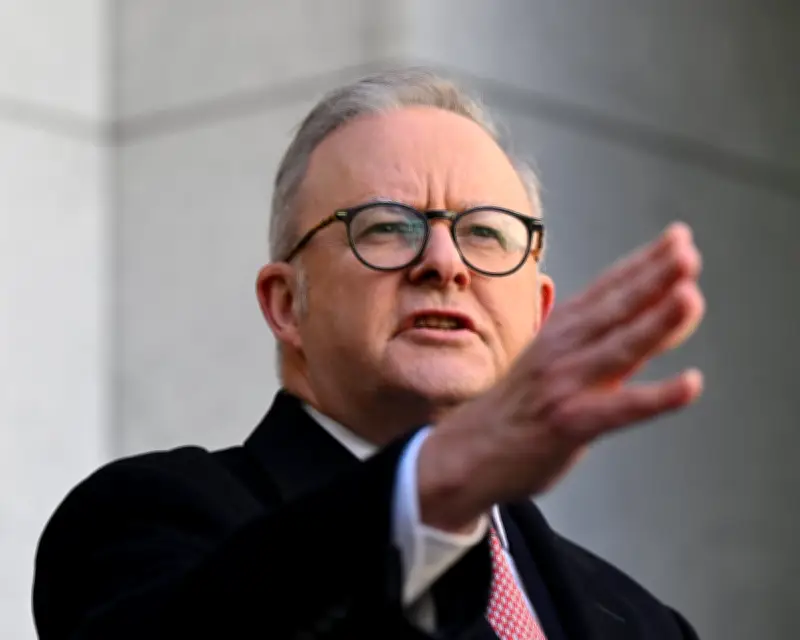
Albanese defends the current approach, arguing that stricter measures would harm popular sports codes like the AFL and NRL, as well as community sport and media organisations that rely on advertising revenue. However, research from the Foundation for Alcohol Research and Education (FARE) reveals that every NRL club and five AFL clubs have gambling sponsors, with deals worth up to $50 million annually for the NRL and $30-40 million for the AFL.
Growing Cross-Party Momentum
Labor backbenchers Louise Miller-Frost and Alicia Payne have publicly urged the government to go further, joining the growing chorus across parliament. The possibility of a Senate defeat, similar to the aged care funding setback in September, looms as a real threat. Communications minister Anika Wells says constructive discussions are underway, with a Coalition party room meeting on Tuesday potentially proving pivotal.
Pocock's criticism echoes the landmark report by the late Labor MP Peta Murphy, which recommended a total ban on online gambling advertising within three years, including an immediate halt to inducements. The prime minister's reluctance to adopt these recommendations has baffled many, especially given the strong public and bipartisan support for tougher laws.
The Road Ahead
As the debate intensifies, the industry remains opposed to an opt-in system for advertising, which is gaining traction among both Coalition and Labor ranks. Responsible Wagering Australia's Kai Cantwell stated this week that the industry would not accept such a system.
Historical precedents, such as plain packaging for cigarettes and tobacco advertising bans, suggest that significant reforms are possible when political will aligns. Whether Albanese will heed the growing calls for action or continue to resist remains to be seen, but the pressure is mounting from all sides.