In a significant policy shift, the Labour government has begun implementing measures its core supporters have long demanded, focusing squarely on tackling child poverty and the deepening crisis in early childhood development.
A Crisis in Early Years Development
A recent report from the Local Government Association (LGA) has painted a stark picture of the challenges facing many young children in Britain. Early-years practitioners report seeing increasing numbers of pre-schoolers who struggle with basic speech, find it hard to play with others, and cannot manage their frustration. One of the most poignant observations was that some children do not respond to their own names, suggesting a profound lack of interactive engagement at home.
The report identifies a complex web of causes, including persistent poverty, parental exhaustion, the legacy of the pandemic, and, critically, excessive screen time. Practitioners note that screens are often used as a pacifier at mealtimes, during shopping, or in cars, with parents fearful of the tantrums that might follow if a device is taken away.

Labour's Two-Pronged Response
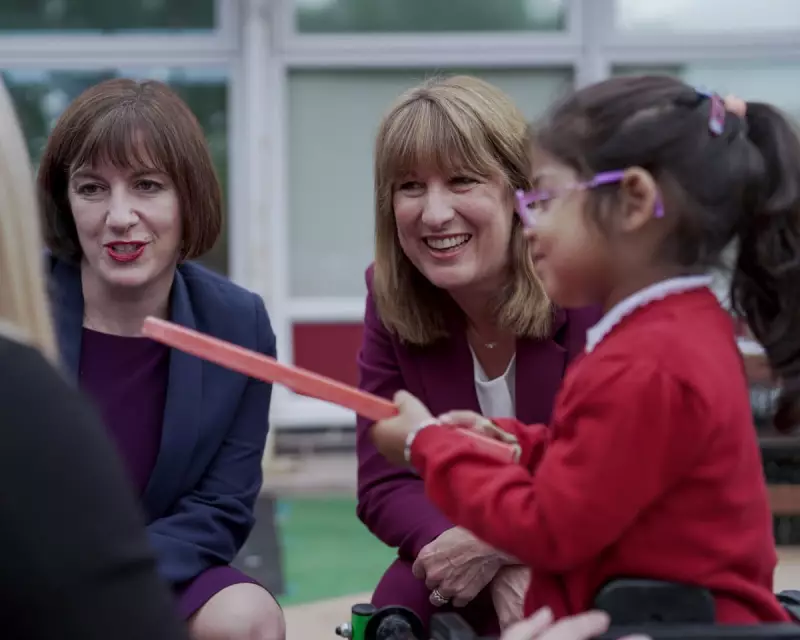
Chancellor Rachel Reeves and Education Secretary Bridget Phillipson are spearheading the government's response, which was highlighted during a visit to a primary school in Manchester on 4 September 2025.
The strategy has two key pillars. Firstly, in last week's budget, Reeves scrapped the controversial two-child limit on welfare payments, a move children's charities had called essential for any meaningful anti-poverty strategy. The Resolution Foundation thinktank noted this made the poorest 10% of households the biggest net winners from the budget, funded largely by increased taxes on the richest 10%.
Secondly, the government is pushing for early intervention. The expanding network of 'Best Start' family hubs will now include Special Educational Needs and Disabilities (SEND) coordinators, with a particular focus on speech and language support. These hubs will also promote the upcoming National Year of Reading, aiming to encourage a shift from screens to books, and attempt to replicate some of the community support once offered by the Sure Start programme.
A Political Shift and the Road Ahead
This focus marks a noticeable change in Labour's rhetoric. After a long period where core voter priorities seemed sidelined, the party is now talking about reducing child hunger, creating jobs, and addressing the economic damage of Brexit—the latter point underscored by Keir Starmer in recent comments. Westminster insiders suggest a faction within government, concerned about losing voters to the Liberal Democrats and Greens, is gaining influence over those solely focused on Reform UK.
While significant challenges remain—including potential backbench revolts over policies like farm inheritance tax—the government has taken concrete steps. As columnist Gaby Hinsliff argues, when a Labour government delivers on what its supporters wanted, it deserves acknowledgment. The immediate task now is to translate the flow of public money into a compelling human story about how children's lives will improve, making the public feel the investment is worthwhile.
The political landscape continues to shift, with Reform UK's poll numbers fluctuating based on whether economic or immigration issues dominate the news. However, Labour's latest moves suggest a recognition that addressing the foundational issues of poverty and early-years development is not only morally right but politically essential.