
The Trump administration is systematically dismantling the mechanisms that protect the U.S. Census Bureau from partisan interference, according to danah boyd, professor at Cornell University. In a recent opinion piece, boyd argues that these actions, including forced retirements, policy changes, and a controversial report, threaten the legitimacy of the 2030 census and, by extension, American democracy.
Historical Foundation of the Census
The U.S. Constitution's Article 1, Section 2 established a radical departure from historical censuses, which were used by kings to levy taxes and conscript soldiers. The American census was designed to allocate political representation and financial resources based on population counts. Congress was tasked with building processes to anchor representation to the population, making being counted a beneficial act for states and politicians.
For over a century, professionals at the Census Bureau have built protocols and established norms to resist partisan interference. Scientists and experts work together to produce reliable data, essential for a functioning democracy. However, boyd contends that these systems are being upended by what she calls "Jenga politics," where politicians pull at institutional planks, hoping others will be blamed when the tower collapses.
Recent Attacks on the Bureau
This summer, the administration made impossible demands on remaining staff after forcibly retiring thousands of civil servants with significant institutional knowledge. In June, the administration ordered the bureau to stop using sophisticated confidentiality techniques, forcing scientists to choose between publishing unusable data, risking privacy, or not publishing at all.
In August, a report authored by partisan data geeks, who gained access through a recruitment program, argued that numerous non-citizens voted in the 2020 election, reinforcing President Trump's conspiracy theory. The report was unsigned, lacked methodological detail, and was rushed through without oversight. boyd describes it as "truly abysmally bad," yet notes the reputational damage was done. The administration then eliminated language prohibiting political interference from the agency's scientific integrity policy.
Proposed Changes for 2030 Census
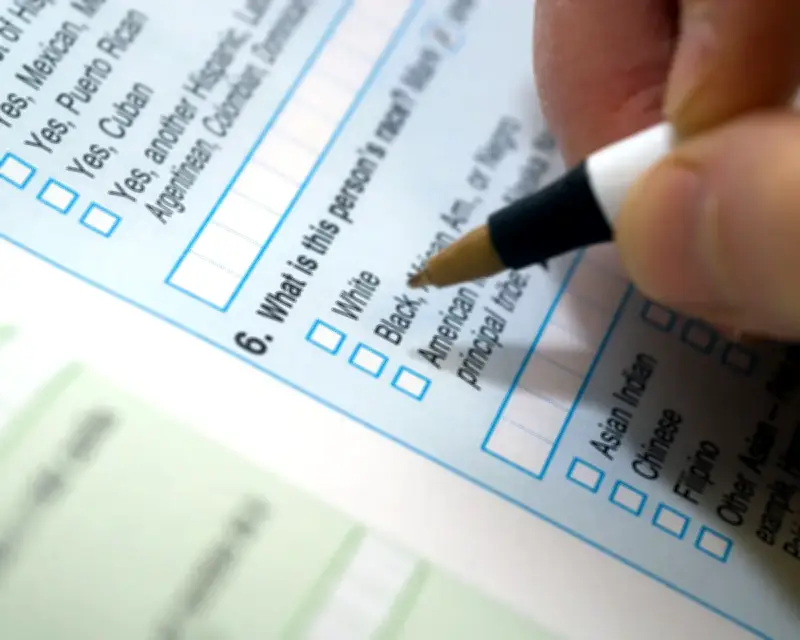
This week, the Census Bureau proposed plans for the 2030 census that include stopping data collection on race and counting only a subset of the population, contrary to constitutional requirements. These changes, part of the "residence rules," are purportedly intended to make the census "colorblind" and protect privacy, but boyd argues they will prevent enforcement of anti-discrimination laws like the Voting Rights Act.
These incidents collectively show that well-honed norms and protocols are being battered. boyd emphasizes that if the public doesn't trust democracy's data, a functioning democracy is impossible. Civil servants can only do so much without support from Congress and the public.
Congress's Role and Responsibility
Congress is constitutionally responsible for the census, with final say over questions, who is counted, and methods used. The Congress elected this November will make critical decisions determining how the next census unfolds. They can take an active role, as the constitution asks, or allow the administration to weaponize the process.
Most systems for the 2030 census will be locked in by 2028, including the operational plan, questions, and staffing capacity. boyd concludes that by not taking responsibility, both parties are "driving a stake through the heart of the American project." Congress has the power and responsibility to ensure the census is functional and legitimate.




