The UK government is facing a significant backlash over its proposed plans to criminalise the possession of cannabis seeds, a move that industry experts and patient advocates warn will have severe unintended consequences.
What the Proposed Ban Entails
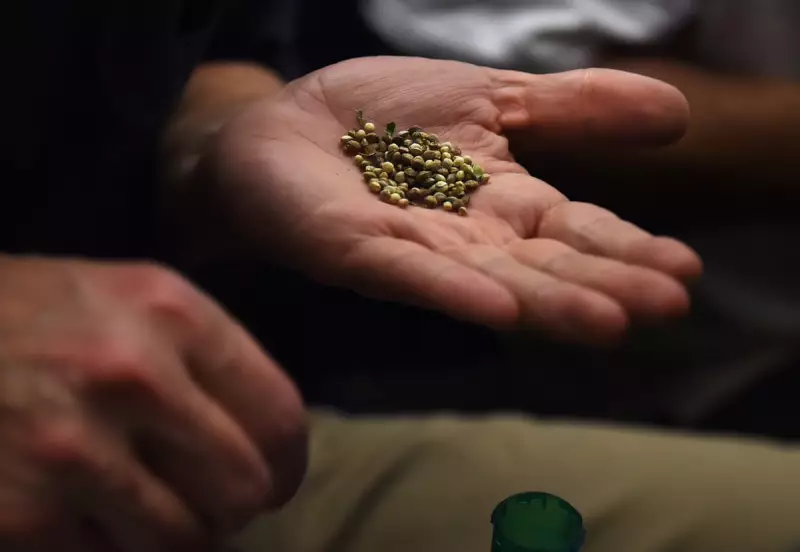
New legislation, expected to be laid before parliament in early 2026, aims to close what ministers describe as a "legal loophole." Currently, while cannabis itself is a Class B drug, seeds are legal to possess as collector's items or souvenirs. The proposed change would make the possession of seeds with intent to cultivate a criminal offence, aligning their legal status with the plant itself.
The Home Office argues this move is necessary to tackle what it calls "backdoor" cultivation for recreational use. However, critics point out that the law already prohibits growing cannabis without a licence. This new measure, they argue, specifically targets individuals who grow at home for personal medical use, often because they cannot afford or access costly private prescriptions.

Industry and Patient Warnings
The response from the cannabis cultivation community has been one of alarm. A coalition of seed banks, growers, and patient groups has issued a stark warning: the ban could supercharge the black market, pushing its value to an estimated £1.2 billion annually.
Adam, a representative from a leading UK seed bank who wished to remain anonymous, stated that the policy is fundamentally misguided. "This won't stop determined recreational users," he explained. "It will simply push them towards unregulated, criminal sources. Meanwhile, it will punish the most vulnerable—those relying on home cultivation for pain relief and managing chronic conditions."
Patient testimonials highlight the critical role of home cultivation. Many individuals suffering from conditions like multiple sclerosis, epilepsy, and chronic pain report that privately prescribed cannabis is financially out of reach. For them, growing a small number of plants at home is the only viable way to manage their symptoms effectively and safely, as they can control the strain and chemical profile.
Broader Implications and Economic Impact
The potential economic fallout extends beyond the black market. The UK's legal cannabis seed industry, which services a global market of collectors and hobbyists, is a legitimate business sector that could be decimated. This includes retailers, breeders, and related publications.
Furthermore, patient advocates argue the ban contradicts the government's own stance on medical cannabis, which has been legal on prescription since 2018. They say it creates a two-tier system where only the wealthy can afford legal, regulated medicine, while those who cannot are forced into illegality or to go without treatment.
Law enforcement experts have also raised concerns. They warn that policing the possession of tiny seeds would be an inefficient use of resources, diverting attention from serious organised crime and the violent gangs that control large-scale commercial cannabis farms.
As the draft legislation moves towards parliament, a concerted campaign is building to oppose it. Growers, patients, and industry leaders are urging MPs to consider the evidence and reject a policy they believe will cause more harm than it prevents, criminalising patients and boosting criminal enterprises instead of protecting public health.