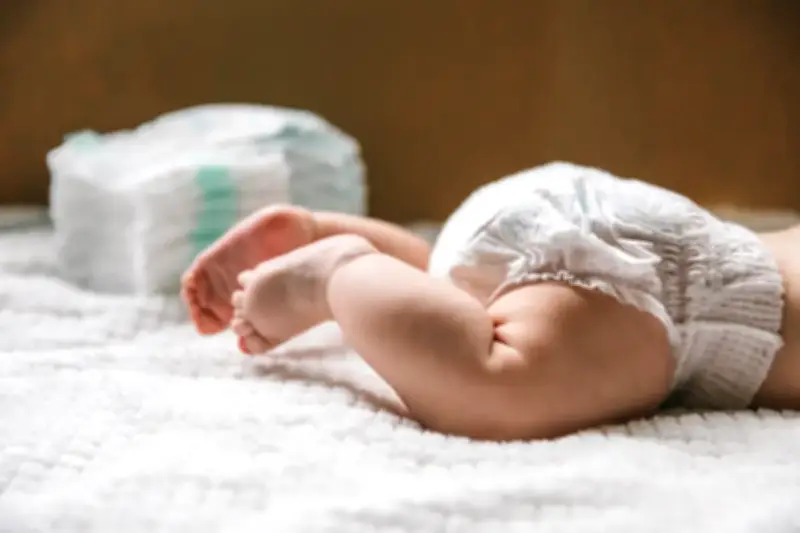
California lawmakers have advanced a bill that would compel disposable diaper manufacturers to disclose the full list of intentionally added ingredients, including toxic chemicals such as phthalates, lead, Pfas, and arsenic. The legislation passed the state assembly with a vote of 68-1 and is expected to be considered by the state senate in the coming weeks.
Why Diaper Chemicals Pose a Unique Risk
Diapers are worn almost continuously for the first two to three years of a child's life, pressing against an infant's skin, which is thinner than adult skin and more prone to absorbing dangerous substances. Many of these chemicals, such as phthalates, can disrupt the endocrine system, potentially causing hormones essential for brain and reproductive development to misfire.
Manufacturers are currently not required to fully disclose diaper ingredients in any state except New York, but this California law goes further. If enacted, it would require companies to list all intentionally added ingredients on a publicly accessible webpage by 2028, and by January 1, 2029, include that information on the packaging.
What the Bill Would Require
The bill, authored by California assembly member Marc Berman, is supported by a coalition of at least 150 public health groups. Berman stated, "Parents deserve better than a guessing game, especially when it comes to a product that will be touching their babies' skin for every minute of every day for the first two or three years of their lives."
Toxic chemicals are often added for specific functions: Pfas act as moisture barriers, formaldehyde as a preservative, phthalates to make plastic flexible, and lead or other heavy metals may be present in inks and dyes. Testing commissioned by the Mamavation public health advocacy site found Pfas in popular brands, and French regulators detected formaldehyde, pesticides, and dioxins, while other peer-reviewed research identified numerous volatile organic compounds (VOCs) in disposable hygiene products.
Health Concerns and Research Gaps
Research on the health effects of these steady exposures is limited. A small 2025 study in China examined diapers and urine samples from 66 babies for several phthalates, finding correlations for some compounds. The study also found markers of DNA damage in urine, and researchers estimated that absorption of phthalates likely accounted for major portions of the phthalate levels. However, the study does not establish that wearing diapers causes DNA damage or disease, but it points to a potential risk.
Susan Little of the Environmental Working Group, which helped develop the legislation, said, "California parents shouldn't need a chemistry degree to buy a diaper. They deserve to know exactly what is touching their child's skin." The Center for Baby and Adult Hygiene Products, a trade group representing many top manufacturers, previously stated, "Diapers are designed and manufactured to meet strict safety standards, and decades of real-world use support their safety for infants and children."
Market Pressure and Industry Response
Advocates say the bill stops short of banning any chemicals because industry pressure would likely kill such legislation. California's governor, Gavin Newsom, who has indicated he is running for the Democratic presidential nomination, has a history of vetoing strong chemical legislation opposed by industry or donors.
Transparency laws could shift the market. Oriene Shin, safety advocacy manager with Consumer Reports, which has identified toxic chemicals in diapers through testing, said, "Transparency laws can move the marketplace. When a customer can compare ingredients, manufacturers have an incentive to follow what the consumer wants, instead of deciding what to do based on internal analyses." Other states often follow California's lead on environmental and consumer protection laws, potentially amplifying market pressure.
In the meantime, parents can protect their children by choosing fragrance-free diapers. Cloth diapers are typically better options, though they may still contain dyes, detergents, or waterproofing agents with toxic compounds. The Environmental Working Group's safe diaper guide evaluates ingredients, and Mamavation provides a list of which diapers it tested contain Pfas. Parents should be skeptical of claims like "natural" or "eco-friendly," which have no legal definition, and can contact manufacturers to ask about specific substances.