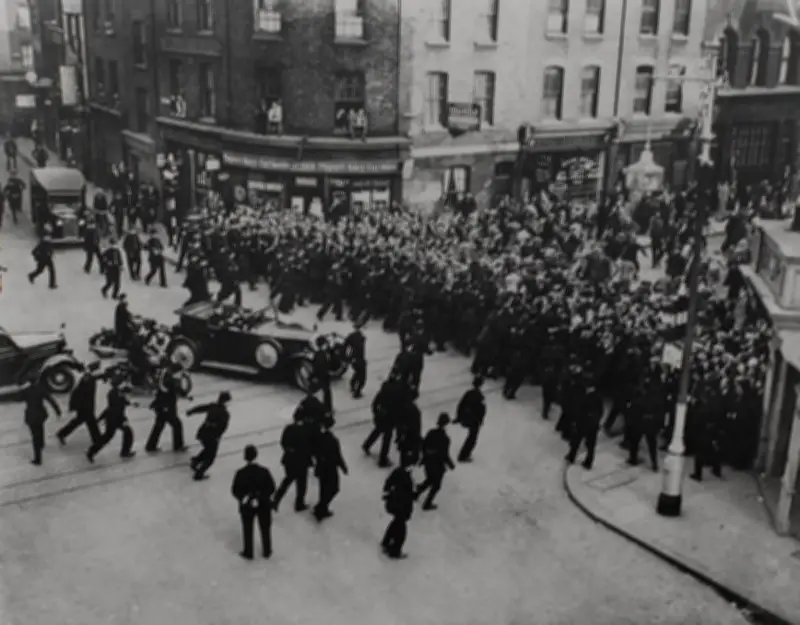
Ninety years after the Battle of Cable Street, the event's message of unity against hatred remains as urgent as ever, according to interfaith consultant Laura Marks CBE. In a personal reflection, Marks draws parallels between the historic resistance in London's East End and the current need for community cohesion in areas like Holborn and St Pancras.
Commemorating 90 Years Since the Battle of Cable Street
This week, at Toynbee Hall, a commemoration is being held to mark 90 years since the Battle of Cable Street, which took place in October 1936. At that time, as Hitler's Nazis were gaining power in Germany, Oswald Mosley and the British Union of Fascists planned to march through the East End, an area then home to tens of thousands of Jewish people.
Residents barricaded the streets with overturned vehicles, furniture, and paving stones. Violence broke out as people resisted the fascists and prevented them from marching through the community. Marks describes it as "an ugly story, but also an inspiring one."
Standing Together Against Division
When the Jewish community was threatened, its neighbours stood alongside it. Irish dockers, trade unionists, communists, anti-fascists, and ordinary local people came out together under the cry: "They shall not pass." And they did not pass. Marks notes that these men and women demonstrated something simple and profound: "When hatred seeks to divide us, standing together makes us stronger."
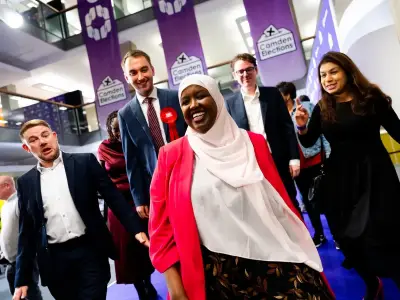
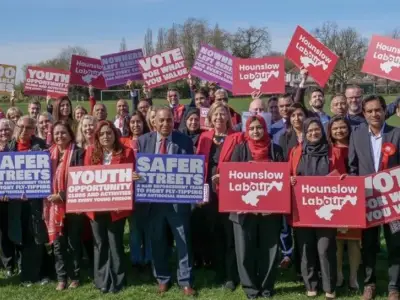
In Holborn and St Pancras, residents are voting this week for a new MP, someone who, Marks hopes, will help bring people together in the area's diverse and vibrant community. She acknowledges that the past few weeks have felt hugely divisive, with campaigners on doorsteps and voices from across the political spectrum filling letterboxes. Elections highlight differences, but after the votes are counted, there is an opportunity and a need to come together again.
A Sukkah's Symbol of Unity
Marks connects the lesson of Cable Street to her own sukkah, the temporary dwelling she has hosted during the festival of Sukkot. During the festival, she takes the lulav—made of palm, myrtle, and willow—together with the etrog, a citrus fruit, and shakes them in every direction. For her, bringing together four very different species is a powerful symbol of unity.
Over the past week, she has welcomed people of different faiths and backgrounds into her sukkah to sit, eat, talk, and occasionally shake the lulav. Now the sukkah will come down, but the lesson of Cable Street is worth holding on to. Marks concludes: "When we know our neighbours, stand alongside them and refuse to let difference divide us, ordinary people really can change the world."
Laura Marks CBE is the founder of Mitzvah Day, Nisa-Nashim, and the Women's Faith Forum, and an interfaith consultant.