
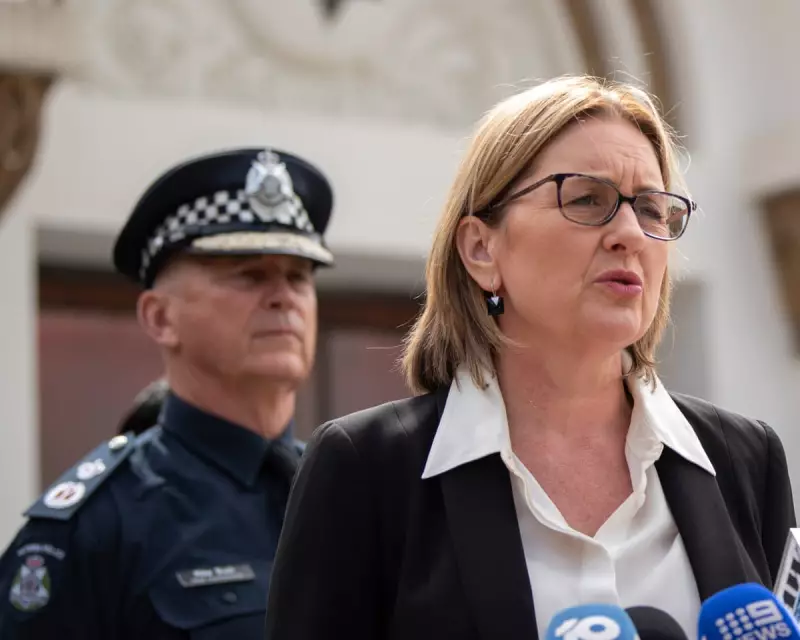
Victoria Police have been granted significant new powers to pre-emptively ban protests for up to a month, following the recent terror attack in Bondi, Sydney. The emergency laws, passed by the Victorian parliament, will be in effect for the upcoming Boxing Day Test match at the Melbourne Cricket Ground (MCG).
Emergency Legislation Enacted
The Victorian government, led by Premier Jacinta Allan, fast-tracked the legislation through both houses of parliament in a single day. The new laws empower Victoria Police to apply to the Supreme Court for an order to prohibit a protest or public event if the Chief Commissioner believes there is a risk of violence or disruption to major events.
These orders can last for up to 30 days. The move comes in direct response to the Bondi Junction stabbing attack on 14 December 2025, which authorities have declared a terrorist incident. Police Minister Anthony Carbines stated the laws were a necessary step to ensure community safety during the busy summer period.
Focus on Boxing Day Test Security
The immediate focus of the new powers is the iconic Boxing Day Test cricket match, scheduled to begin on 26 December 2025 at the MCG. Victoria Police have indicated they will apply for an order to ban a planned pro-Palestinian protest outside the stadium on the first day of the Test.
Police argue the protest, organised by the group Free Palestine Melbourne, poses an unacceptable risk of violence and major disruption. The group had planned a rally starting at the State Library before moving to the MCG. Police intelligence suggested the protest could attract thousands and potentially clash with counter-demonstrators, creating a significant security challenge.
Chief Commissioner Shane Patton emphasised that the decision was not about the cause itself but about the specific intelligence related to public safety risks following the heightened national terror threat level.
Civil Liberties Concerns and Legal Scrutiny
The rapid passage of the laws has sparked immediate criticism from civil liberties groups and legal experts. The Victorian Bar and the Human Rights Law Centre have both expressed deep concern, arguing the legislation sets a dangerous precedent for suppressing peaceful protest.
They contend that existing laws already provide police with ample powers to manage protests and ensure public order. Critics warn that allowing police to ban events based on a belief of potential risk, rather than evidence of imminent violence, undermines fundamental democratic rights to freedom of assembly and expression.
The legislation does include some safeguards. Any police application for a ban must be reviewed by the Supreme Court, and the court must be satisfied that the protest would likely involve violence or unduly disrupt public order. However, the low threshold for applying and the extraordinary breadth of the powers remain contentious.
National Security Context and Future Implications
The laws were introduced and passed under the shadow of the Bondi terror attack, which has led to a nationwide review of security arrangements for mass gatherings. The Victorian government has framed the legislation as a temporary, necessary measure for an exceptional period of heightened threat.
However, the laws are not subject to a sunset clause, meaning they will remain in effect indefinitely unless repealed by a future parliament. This raises questions about the long-term impact on protest rights in Victoria beyond the current security context.
The situation places the Supreme Court in a pivotal role as the arbiter of these new police powers. Its decisions in the coming days, starting with the expected Boxing Day Test protest application, will define the practical limits of this controversial legislation and its balance between state security and civil liberties.




