
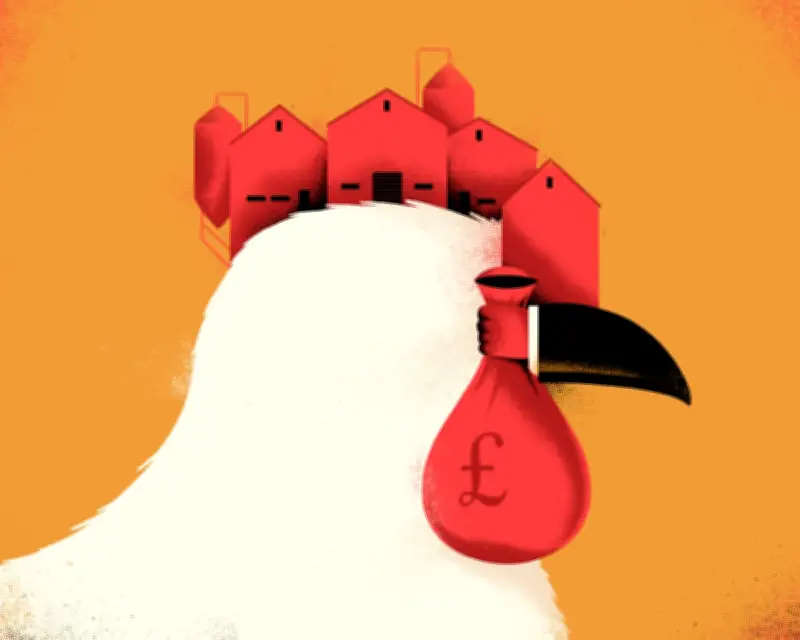
In a scathing critique, George Monbiot argues that UK environment secretaries have abandoned their duty to protect ecosystems, instead acting as conduits for corporate lobbyists. He highlights the case of outgoing secretary Emma Reynolds, who spent her final weeks in office attempting to remove planning barriers for industrial chicken factories, despite their devastating impact on rivers.
Industrial poultry farming's toll on rivers
Monbiot notes that these chicken factories generate far more dung than surrounding fields can absorb, with the surplus washing into streams and killing local waterways. He emphasizes that once planning permission is granted, the local tributary and main river stem are effectively doomed. The factories also harm local economies by destroying river ecosystems, contradicting claims of supporting jobs and growth.
Lobbyist influence in government
Monbiot points out that Reynolds previously worked as a lobbyist for the financial sector before joining Keir Starmer's government. Her deputy and successor, Angela Eagle, also sought to drive through planning reforms demanded by the poultry industry, telling chicken lobbyists that "planning should enable ambition, not stifle it." The Farming and Food Partnership Board, set up by Reynolds and Eagle, includes only government ministers and corporate representatives, with objectives like a "poultry sector growth plan" to address planning barriers.
Food security arguments debunked
Monbiot refutes claims that boosting poultry production enhances food security, noting that feed for factory chickens is either imported or grown on land that could directly feed people. He cites a report estimating it takes 109g of soya to produce 100g of chicken breast. He also criticizes Reynolds for disregarding targets set by the Climate Change Committee to reduce livestock numbers.
Failed nature restoration plans
The government's "delivery plan" to restore nature, released by Reynolds before leaving office, is described as a catalogue of vague hopes that will not meet the promise to protect and restore 30% of England's land by 2030. Monbiot warns of further assaults on nature protection via Starmer's proposed "regulating for growth bill," which may create temporary "sandboxes" where usual rules don't apply.
A call for real change
Monbiot concludes by questioning whether new environment secretary Angela Eagle will break the grip of corporate power and defend the living world, as promised by Greater Manchester mayor Andy Burnham's "circuit breaker" pledge to end neoliberalism. He notes that the last environment secretary to represent the public interest was Michael Gove, despite his controversial legacy in other roles.




