
In a landmark decision, the United States Supreme Court has moved to restrain presidential power, blocking an attempt by former President Donald Trump to deploy National Guard troops to Chicago. The ruling came on Tuesday, 8 October 2025, following a legal challenge from Illinois officials.
Court Rejects Federal Military Intervention
The nation's highest court denied a request from the US Justice Department to lift a lower court's order that had blocked the deployment. The justices voted 6-3 to uphold the ruling, stating that the Trump administration had not met the legal burden required to justify federal military intervention for domestic law enforcement.
The legal battle stems from plans to send hundreds of National Guard personnel to the Chicago area, specifically to offer backup to immigration authorities. Illinois state officials and local leaders fiercely opposed this federalisation of troops, leading to the initial injunction in October.
Protests and Political Context
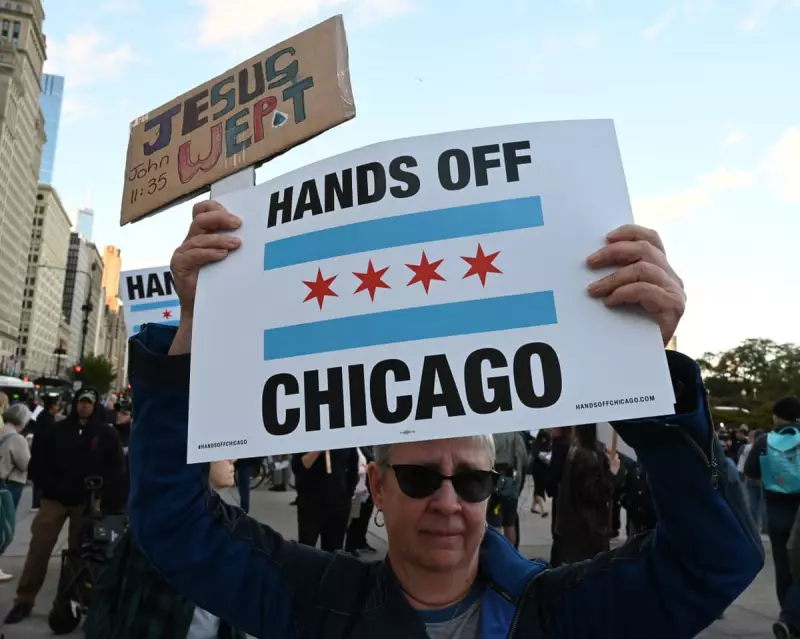
The court's decision arrives amidst sustained protests in the Chicago area. Demonstrators have been gathering, including an emergency protest in downtown Chicago on 8 October, demanding rights for immigrants and workers. Aggressive tactics have been reported outside an Immigration and Customs Enforcement (ICE) facility in Broadview, a suburb of Chicago.
This ruling is seen as a significant check on a president's ability to use the military for domestic purposes, particularly against Democratic-led jurisdictions. The three dissenting justices, Samuel Alito, Clarence Thomas, and Neil Gorsuch, who are considered the court's most conservative members, argued in favour of allowing the deployment while litigation continued.
Implications and Next Steps
The Supreme Court's refusal marks a critical moment in the ongoing tension between federal authority and state rights. By siding with the lower court, the justices have emphasised that the government must demonstrate a clear inability to execute laws without military force before such a drastic step can be taken.
The litigation regarding the National Guard's deployment is expected to continue, but for now, the blockade remains in place. This decision will likely influence future debates on the role of the military in domestic affairs and the limits of executive power.




