
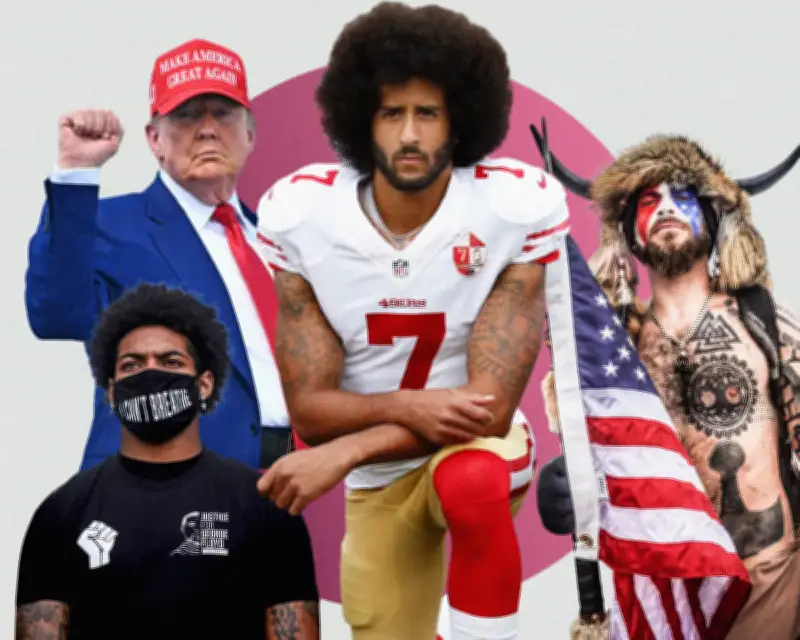
Ten years after Colin Kaepernick first took a knee during the national anthem to protest police killings of Black people, his exile from the NFL stands as a defining moment in America's culture war. The protest, which lasted the entirety of the 2016 NFL regular season, marked the beginning of a national reckoning that has since reshaped sports, politics, and media. Kaepernick never played in the league again.
The Protest and Its Immediate Aftermath
On 26 August 2016, following a preseason game between his San Francisco 49ers and the Green Bay Packers, Kaepernick explained his decision to sit during the anthem, a choice that would evolve into kneeling the following week. "To me, this is bigger than football and it would be selfish on my part to look the other way," he said at the time. "There are bodies in the street and people getting paid leave and getting away with murder."
The protest was a quiet act of civil disobedience, lasting only 60 seconds of silence, yet it resonated deeply. In the annals of American protest—which includes suffragettes breaking windows, students blocking traffic, and economic boycotts—Kaepernick's gesture was notably mild. Nevertheless, it, combined with the presidency of Barack Obama, represented the realization of deep-seated white fears about Black equality, a sentiment that has simmered since emancipation.
A Decade of Retaliation and Co-optation
In the years that followed, sports leagues largely purged troublemakers and co-opted protests into corporate-friendly gestures. The NFL, under pressure from then-President Donald Trump, who called players "sons of bitches" and demanded Kaepernick's banishment, saw its players undermine the protest. Dallas Cowboys quarterback Dak Prescott assured his bosses in 2018 that he was no radical, stating, "For me, I believe in doing something, action. It's not about taking a knee," a comment that dismissed centuries of evidence on the efficacy of physical protest. Michael Vick, who was redeemed by the NFL after a prison sentence for dogfighting, advised Kaepernick to "cut his hair" to find a path back. Hall of Famer Ray Lewis told him to "keep his mouth shut."
Kaepernick was exiled for kneeling, while Lewis, connected to an incident resulting in two killings as an active player, was fined $250,000 for obstruction of justice and never missed a game. This disparity underscores a broader pattern of proprietorship, where white Americans treat the nation as a personal possession, demanding deference for their benevolence and revoking privileges when challenged.
The George Floyd Moment and Its Reversal
The slow-motion murder of George Floyd in 2020 during a global pandemic prompted a collective moment of reckoning. Even NFL Commissioner Roger Goodell admitted, under pressure, that the league was wrong in its crackdown on player protest—but only briefly. The simmering hostility soon resurfaced.
The January 6 riots marked the end of the athlete activism era. Players, who had been told there were other ways to protest, watched as white "real Americans" stormed the Capitol at the order of the President. A police officer died in the aftermath, and the media debated whether to call it a riot. The players, perhaps mollified by Goodell's apology or Obama's advice to NBA players to stop protesting, remained silent.
The Lesson and the Legacy
There is a distinction between the lesson of Kaepernick and his legacy. The lesson was a threat directed at other players: Kaepernick was the NFL's Metacomet at Plymouth, a head on a stake as a warning to stay in line. Today, protest is reduced to players writing mildly profound messages on their cleats on designated days.
The legacy is darker yet inspiring in its acknowledgment. There is no reason to continue the naive exercise of negotiation, of waiting for permission, of believing the moral arc of the universe bends toward justice. The country's trajectory over the last decade—with its 1,500 pardons, the proud anti-Blackness from the White House, and a cowering corporate media that has stamped out voices it once embraced during the "racial reckoning"—has proven that equality is not a shared American goal. The wreckage is evident.




