
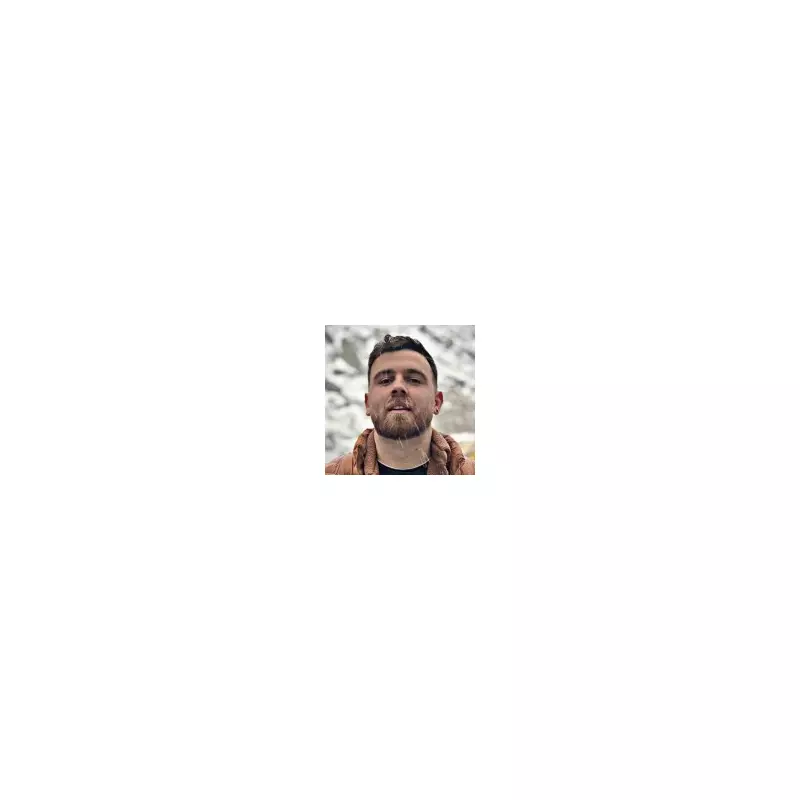
Iranian authorities are poised to carry out the execution of a young man arrested during recent mass protests, in a move that has sparked international condemnation and fears of a severe escalation in the state's crackdown.
First Execution Linked to Latest Wave of Unrest
Erfan Soltani, a 26-year-old from Fardis on the outskirts of Tehran, is scheduled to be hanged tomorrow. He faces the charge of 'waging a war against God', a capital offence in the Islamic Republic. His impending execution is believed to be the first directly linked to the widespread protests that began on December 28.
Critically, Soltani was denied access to a lawyer and a fair trial, according to human rights monitors. He was arrested just five days ago while demonstrating in his hometown. The National Union for Democracy in Iran stated that his sole crime was 'calling for freedom'.
Internet Blackout and Rising Death Toll
As the government attempts to quell the dissent, Iran has been subjected to a near-total internet shutdown for days. This digital blackout has made verifying events on the ground extremely difficult for international observers and news agencies.
Despite the information vacuum, grim figures have emerged. The US-based Human Rights Activist News Agency reports that at least 490 demonstrators and 48 security personnel have been killed in the two weeks of unrest. More than 10,600 people are said to have been arrested.
Witnesses in Tehran described a heavy security presence, with anti-riot police equipped with helmets, body armour, batons, and shotguns stationed across the capital. They also reported damaged ATMs and banks struggling to function without internet connectivity.
International Outcry and Regime Denials
The Norway-based organisation Iran Human Rights issued a stark warning, comparing the current violence to the regime's crimes against humanity in the 1980s. 'The international community has a duty to protect civilian protesters against mass killing by the Islamic Republic,' their statement read.
This assessment contrasts sharply with official claims. Iran’s foreign minister, Abbas Araghchi, asserted on Monday that 'the situation has come under total control', though he provided no evidence to support this.
Among the victims is Rubina Aminian, a 23-year-old Kurdish fashion student at Shariati College in Tehran. She was killed on January 8 after leaving college and joining a protest. Sources told Iran Human Rights she was shot in the head from close range, from behind. Her mother gave a harrowing account, stating, 'It wasn’t just my daughter; I saw hundreds of bodies with my own eyes'.
With phone lines cut and the internet severed, the true scale of the crackdown remains obscured, leaving families in anguish and the world watching a deepening human rights crisis unfold.




