
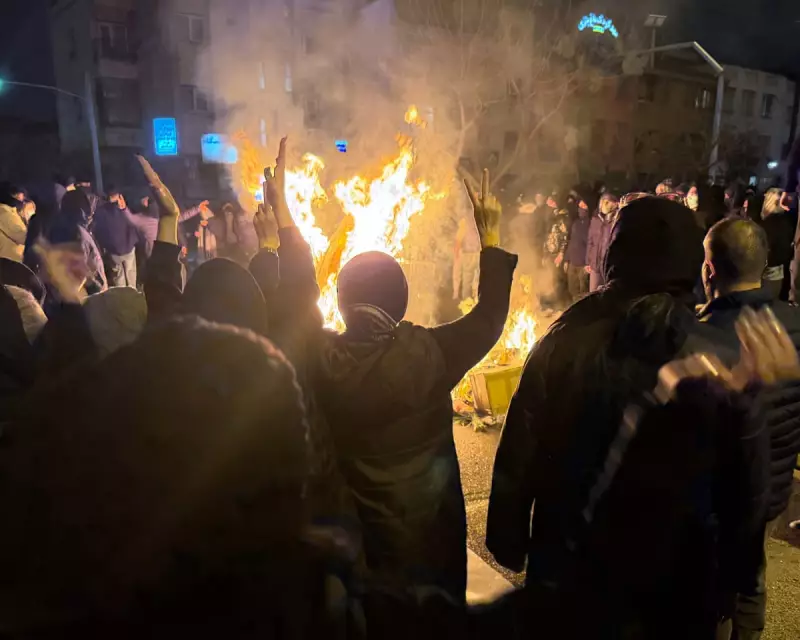
Iran is facing one of its most severe periods of internal unrest in years, as widespread anti-government protests continue to escalate. What began as demonstrations over a plummeting currency has rapidly transformed into a broader movement challenging the country's clerical establishment.
A Deadly Crackdown and International Alarm
Despite a severe internet blackout imposed by authorities, grim reports have emerged from within the country. The US-based Human Rights Activists News Agency (HRANA) states that at least 2,000 people have been killed during the demonstrations, with over 90% of the casualties being protesters. Furthermore, more than 16,700 individuals have been arrested in the government's crackdown.
The violence has overwhelmed Iran's medical services. Doctors describe hospitals and emergency wards flooded with injured demonstrators. Shockingly, one ophthalmologist in Tehran alone has documented more than 400 eye injuries caused by gunshots at a single hospital, indicating targeted attacks by security forces.
The international community has reacted with growing concern. Britain, France, Germany, and Italy have all summoned Iranian ambassadors to formally protest the violent suppression. European Commission President Ursula von der Leyen labelled the rising casualty figures "horrifying."
US Warnings and Regime Accusations
The situation has drawn sharp commentary and threats from the United States. President Donald Trump has warned the Iranian regime that the US "will take very strong action" if it begins executing protesters. This warning comes amid reports from the Kurdish rights group Hengaw that Erfan Soltani, a 26-year-old arrested in Karaj, is scheduled for execution.
Trump has actively encouraged the protests, posting on Truth Social, "Iranian Patriots, keep protesting – take over your institutions!!! … help is on its way." The White House has confirmed that military options, including airstrikes, are under consideration. In response, the US State Department has urged American citizens to leave Iran immediately.
Iran's government has fiercely accused the US and Israel of fomenting the unrest. In a letter to the UN Security Council, Iran's UN Ambassador Amir Saeid Iravani claimed the US was "inciting violence" and threatening Iran's sovereignty. He asserted that Washington and Tel Aviv bear "direct and undeniable legal responsibility" for civilian deaths.
Diplomatic Fallout and Regional Implications
The crisis has caused a significant diplomatic rupture. Donald Trump announced he was cancelling meetings with Iranian officials "until the senseless killing" stops, halting potential de-escalation talks. In a revealing development, Axios reported that Trump's envoy, Steve Witkoff, held a secret meeting with Reza Pahlavi, the exiled former crown prince, to discuss the protests.
Russia condemned what it called "subversive external interference" in Iran, warning that any repeat of previous US strikes would have "disastrous consequences" for regional and global security. Meanwhile, German Chancellor Friedrich Merz voiced a belief that the Iranian government would fall, highlighting the profound uncertainty over the country's future.
In an attempt to bypass the government's internet blockade, Elon Musk's SpaceX is reportedly offering free internet access in Iran via its Starlink satellite service, as the blackout extended beyond five days.
The protests, which have swept through multiple cities including Tehran, represent a critical challenge to Iran's leadership. With a high death toll, international pressure mounting, and explicit warnings from the US, the situation remains volatile and poised for further escalation.




