
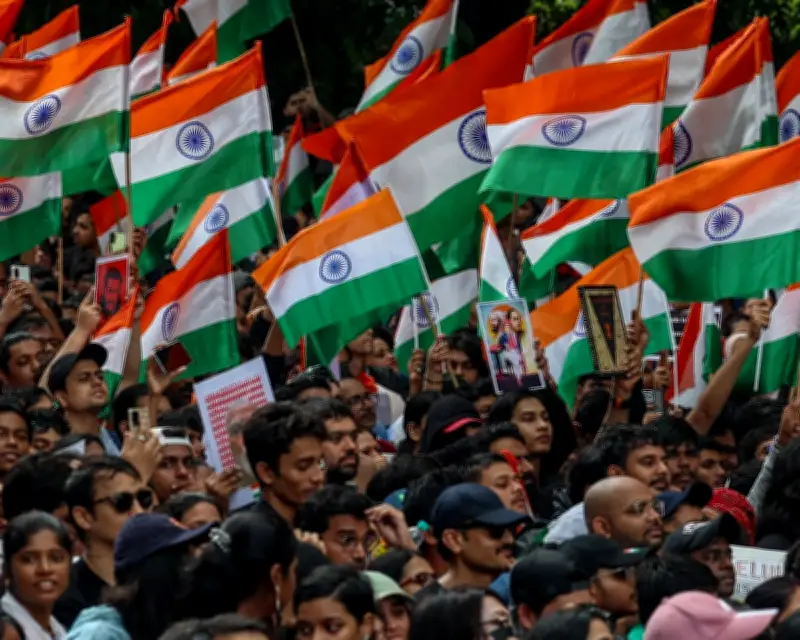
India's cockroach protests, a unique form of youth-led demonstrations, have achieved significant success in challenging the government of Prime Minister Narendra Modi. The protests, which began as a response to controversial policies, have evolved into a broader movement demanding accountability and change.
Origins of the cockroach protests
The protests were sparked by a government decision that many young Indians viewed as detrimental to their future. Using the cockroach as a symbol of resistance, activists took to the streets in cities across India, including Delhi, Mumbai, and Bengaluru. The symbol resonated with young people, who saw it as a representation of the government's perceived indifference to their concerns.
Key demands and outcomes
The protesters demanded policy reversals and greater transparency. According to organizers, the movement successfully pressured the government to reconsider several key initiatives. 'We have shown that our voices matter,' said a lead organizer, speaking on condition of anonymity. 'The cockroach protests have forced the government to listen.'
Impact on Indian politics
The protests have had a tangible impact on the political landscape. Analysts note that the movement has energized young voters and shifted public discourse. 'This is a new era of political engagement in India,' said political analyst Dr. Priya Sharma. 'The cockroach protests have demonstrated the power of grassroots activism.'
Government response
The Modi government initially dismissed the protests but later engaged in dialogue with some groups. While the government has not fully conceded to all demands, it has made certain policy adjustments. Critics argue that these changes are insufficient, but activists see them as a victory. 'We have achieved more than many expected,' the organizer added.
Broader implications
The success of the cockroach protests has inspired similar movements in other countries, highlighting the global resonance of youth-led activism. In India, the protests have also sparked debates about the role of dissent in a democracy. As the movement continues, it remains to be seen how it will influence future elections and policy-making.




