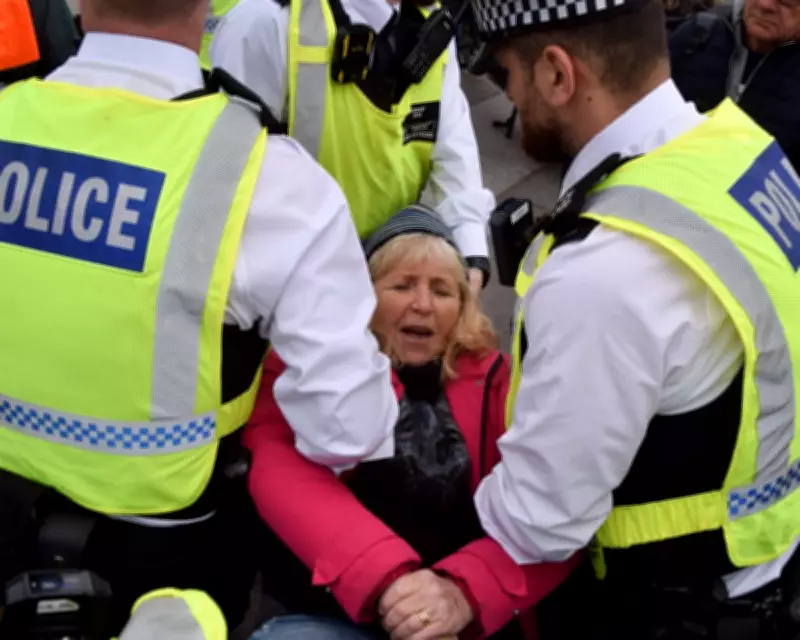
Guardian Editorial: Banning Palestine Action Was a Step Too Far
The Guardian has published a strong editorial condemning the UK government's recent decision to ban the activist group Palestine Action. The piece argues that this move represents an alarming overreach by authorities, setting a dangerous precedent for the suppression of political dissent and free expression in the country.
Excessive Government Action
According to the editorial, the ban on Palestine Action is disproportionate and unjustified. The group, which campaigns against companies it accuses of complicity in Israeli actions in Palestine, has engaged in non-violent protests and direct actions. While some of these activities have been disruptive, the Guardian contends that they do not warrant such a severe response from the government.
The editorial emphasizes that in a democratic society, the right to protest is fundamental. Banning an entire organization risks chilling legitimate political activism and could be seen as an attempt to silence critics of government policy on Israel and Palestine. This action, the Guardian warns, may undermine public trust in the state's commitment to upholding civil liberties.
Broader Implications for Civil Liberties
The piece delves into the wider implications of this ban for civil liberties in the UK. It suggests that the government's move could pave the way for further restrictions on activist groups, especially those involved in contentious international issues. This could have a ripple effect, discouraging participation in political movements and eroding the vibrant culture of protest that has long been a hallmark of British democracy.
Moreover, the editorial points out that such bans often fail to address the root causes of activism. Instead of engaging with the grievances raised by Palestine Action, the government has chosen to outlaw the group, which may only fuel further resentment and radicalization. The Guardian calls for a more nuanced approach that balances security concerns with the protection of democratic rights.
Historical Context and Legal Concerns
The editorial also places this ban in a historical context, noting a trend towards increased state control over protest movements in recent years. It references other instances where the UK government has been criticized for heavy-handed tactics against activists, raising questions about the consistency and fairness of its policies.
From a legal perspective, the Guardian questions the basis for the ban, arguing that it may not withstand scrutiny under human rights laws that protect freedom of assembly and expression. The piece urges lawmakers and the public to critically examine the justification for such measures and to hold the government accountable for any overreach.
Call for Reconsideration
In conclusion, the Guardian editorial makes a passionate plea for the government to reconsider its decision. It advocates for a return to principles of tolerance and open debate, where even unpopular or challenging voices are allowed a platform. The ban on Palestine Action, it asserts, is a step too far that threatens the very foundations of a free and democratic society.
The editorial ends by encouraging readers to reflect on the importance of safeguarding civil liberties in an era of increasing political polarization. It serves as a reminder that the right to protest is not just a privilege but a cornerstone of democracy that must be vigorously defended against any encroachments.