London's Underground network features stations of remarkable diversity, from single-platform stops like Chesham and Mill Hill East to the notably narrow platforms at Clapham Common and Clapham North. When pondering the largest station, many might think of King's Cross St Pancras or Waterloo, but the true record-holder is Baker Street, with an astounding 10 platforms serving five distinct lines.
The Historic Heart of the Tube
Baker Street stands as the world's oldest underground station, originally opening in 1863 as part of the Metropolitan Railway. Over decades, it evolved into a critical hub, merging three separate stations in the 1930s to support London's growing Tube system. This transformation solidified its role as a central interchange, blending historic charm with modern functionality.
A Platform Powerhouse
Today, Baker Street connects the Bakerloo, Circle, Hammersmith and City, Metropolitan, and Jubilee lines through its 10 platforms. This high number is a direct result of the station's extensive line services, ensuring efficient commuter flow across London. The platforms are strategically interconnected, with most, such as the Jubilee and Bakerloo southbound platforms, just a short walk apart, minimizing transit times and enhancing passenger experience.
Architectural Grandeur and Secrets
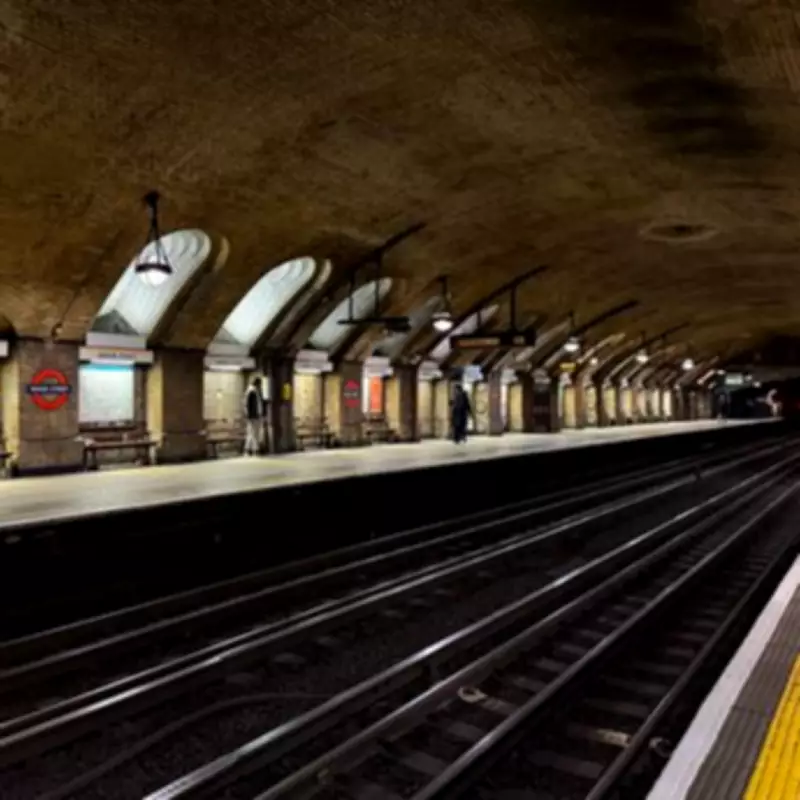
Affectionately nicknamed 'The Cathedral' due to its majestic arched design, Baker Street's architecture reflects its rich history. Platforms one to four underwent refurbishment in the 1920s, while platforms eight to ten retain elements from 1906, showcasing a blend of eras. Over the years, adjustments have been made to accommodate longer modern trains, like the S Stock, without compromising its historic integrity.
Beyond its visible grandeur, Baker Street harbors hidden gems, including a concealed spot that offers a unique vantage point overlooking the Bakerloo and Metropolitan line platforms. This adds to the station's allure, making it not just a transit point but a destination steeped in mystery and intrigue.
Operational Significance
Despite its size, Baker Street is not the busiest station on the network, but its design ensures it remains one of the most efficient interchanges. The layout supports smooth commuter movement, contributing to its status as a pivotal node in London's transport infrastructure. Its history, from its 1863 origins to modern upgrades, underscores its enduring importance.
In summary, Baker Street is more than just a station; it's a living piece of London's heritage. As the oldest Underground station, it continues to serve as a vital hub, brimming with historical depth, architectural beauty, and operational excellence, making it a true cathedral of the Tube.