The Emotional Core of Far-Right Populism
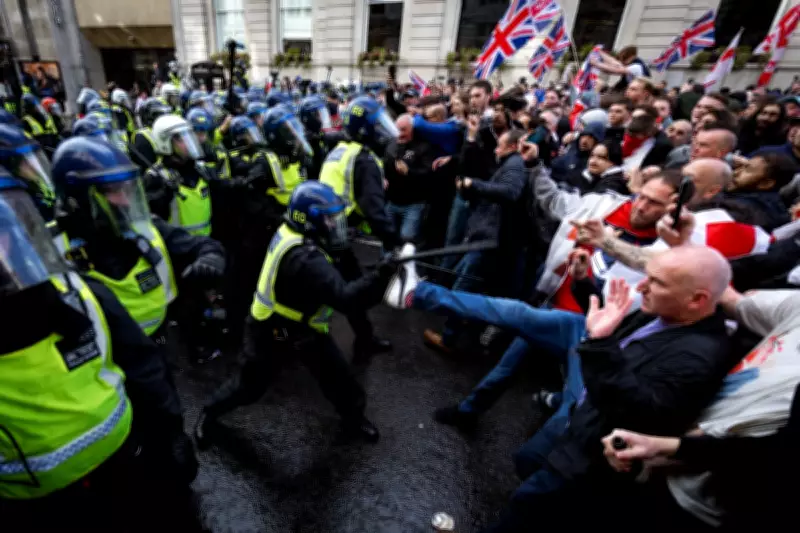
Politics, at its foundation, is driven by emotion. Our judgments about the world blend rational thought with instinct, but for these to coalesce into a political movement embraced by millions, we must feel it deeply. Consider the sentiments echoed by figures like Suella Braverman, Tommy Robinson, and Nigel Farage: a sense of doom, humiliation, and victimhood, coupled with calls for insurrection or restoration. These emotions, whether openly violent or subtly hinted, define today's far right, evoking a mobilising passion reminiscent of historical fascism but uniquely adapted to our era.
Historical Echoes and Modern Distinctions
Fascism in the 20th century emerged from post-war trauma, promising national rebirth through violence and imperial conquest, with support from frustrated lower middle classes and paramilitary wings. In contrast, today's far right thrives in a period of relative peace and prosperity, often claiming commitment to democracy while undermining its liberal foundations. Political scientist Cas Mudde distinguishes between the extreme right, which rejects democracy outright, and the radical right, which accepts it but attacks checks like independent courts and human rights laws. The latter, through populist rhetoric, poses as the true voice of the people against corrupt elites, seeking radical changes that threaten freedom and equality.
The Rise of Disaster Nationalism
Since the mid-2010s, far-right populists have gained power globally, from India and the US to Europe and South America. Their appeal, termed "disaster nationalism" by theorist Richard Seymour, combines surface-level economic promises with a deeper emotional payoff: making the majority feel like winners by punishing minorities. Figures like Javier Milei and Donald Trump symbolise bold, law-breaking measures, yet their economic benefits are often unclear. Instead, they channel resentment into revenge, targeting groups based on sex, birth, or death narratives, such as refugees or religious minorities, to foster a revolt against liberal civilisation.
Underlying Causes and Systemic Failures
The financial crisis of 2008 cast a long shadow, fueling anger and distrust in western societies. While movements like Occupy and Black Lives Matter emerged, far-right populism has often filled the void, leveraging economic inequality and social fragmentation. Neoliberal policies, which prioritise big business over democratic control, have eroded solidarity, breeding resentment. Social media amplifies this, spreading conspiracy theories and enabling extreme subcultures, turning far-right figureheads into celebrities who surf waves of violent resentment. Unlike historical fascism's mass parties, today's far right relies on digital platforms, creating an unstable alliance that can spiral out of control or fizzle if challenged.
A Call to Action
Far-right populism is not a mere re-run of fascism; it is a distinct threat shaped by contemporary emotions and systems. Its promise of purification through punishment endangers democratic freedoms and social progress. Recognising its unique dynamics is crucial for countering its rise, as failure to do so risks even more extreme consequences. The challenge lies in addressing the underlying economic and social grievances while upholding the values of equality and inclusion that define liberal democracy.