
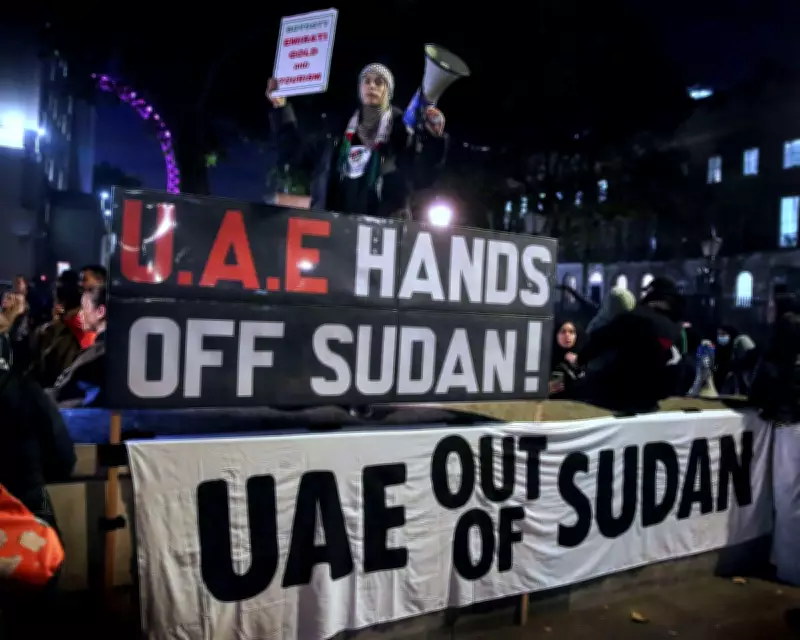
Nesrine Malik’s recent article rightly highlights how evidence of the United Arab Emirates’ complicity in Sudan’s war has prompted calls for action. The international community must now respond with a concerted effort to hold all parties accountable.
Need for International Inquiry
The UN and African fact-finding bodies have largely focused on the warring parties in Sudan. It is time to document and investigate the UAE’s involvement, including possible state and individual responsibility for international crimes. This includes failure to prevent genocide in Darfur and violations of humanitarian law.
Broader Regional Involvement
Multiple reports indicate other states have fueled the war, particularly through drone warfare. Foreign businesses have also sustained Sudan’s war economy. An official report on external actors could spur overdue measures and influence the political calculus of states like the UAE, which have faced no accountability.
Impact on Peace Prospects
Diminished support for warring parties might raise prospects for peace. This would bring focus to reparations and reconstruction. Sudan’s people deserve freedom, peace, and justice, free from interference both internal and external.
Dr Lutz Oette is professor of international human rights law at SOAS University of London. Anna Snowdon is a trustee of Women’s Education Partnership, a UK charity supporting education for disadvantaged women and girls in Sudan and South Sudan.
Sudanese women played a major role in the 2018-19 revolution. They must be able to flourish when peace returns.




