
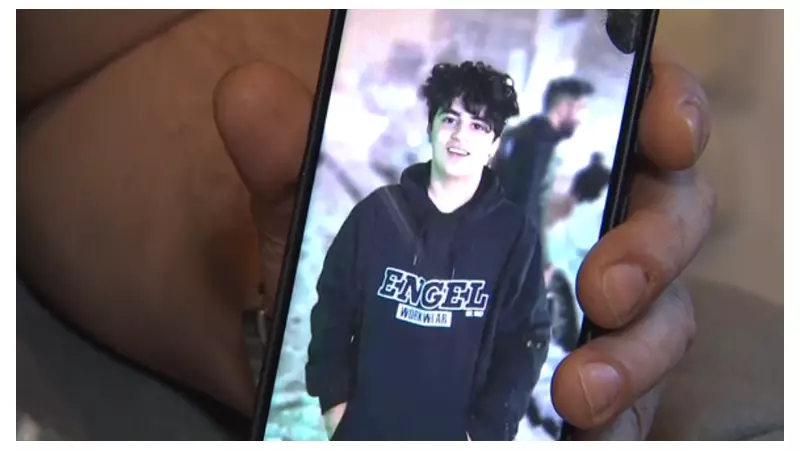
The brutal reality of Iran's state-backed crackdown on protesters has been laid bare by a grieving family member living in Cardiff, who has detailed the savage killing of his 17-year-old cousin.
A Warehouse of the Dead
In a stark government forensic centre on the outskirts of Tehran, the scale of the violence is horrifyingly visible. The floor is covered with rows of black plastic body bags, as desperate relatives search for loved ones among the dead. This scene at the Kahrizak facility is believed to be repeated across the nation, as authorities work to suppress dissent with ruthless force.
Human rights groups estimate the death toll has reached around 650, though a comprehensive figure is impossible to verify. The regime has enacted a severe information blackout, blocking the internet, cutting phone lines, and even disabling satellite internet receivers like Starlink. State television broadcasts only pro-government rallies, attempting to project an air of normality.
The Killing of Amir Ali Haydari
Despite the blackout, the truth emerges. Relatives of 17-year-old Amir Ali Haydari have told Sky News how the teenager was murdered in the city of Kermanshah last Thursday. His cousin, Diako Haydari, who lives in Cardiff, received the devastating details from family in Iran.
"He was shot in the heart, and as he was taking his last breath, they hit him in the head with the butt of a gun so many times that his brain was scattered on the ground," Mr Haydari recounted. The authorities later issued a death certificate falsely claiming the boy had died from a fall from height.
Footage from Kermanshah that day shows plain-clothes police intimidating and firing pistols at protesters. The violence did not spare Amir Ali's friends. "Two of Amir's friends are in a coma, and they killed many of his friends. Just like him. They shot them," said Mr Haydari, describing the actions as a savage attempt to silence the people's voice.
A Nationwide Crackdown and a Family's Anguish
The aftermath of the protest where Amir Ali died was chaotic and overwhelming. His family reported that so many were killed that the authorities had to requisition two city buses to transport the bodies to Taleghani Hospital's morgue.
"When the family collected the body, Amir-Ali's uncle told me that there were around 500 corpses at the hospital. He had to identify his body from amongst all the bodies," the Cardiff-based cousin stated.
For Diako Haydari, the news has been a source of sleepless shock and helplessness. "I did not sleep last night, me and my wife did not sleep. There's nothing we can do," he told Sky News. His testimony from Wales underscores the international reach of the tragedy and the regime's determination to cling to power at any cost, a stark reminder of the perils faced by those daring to protest.




