Brass Solidarity: A Sonic Occupation for Black Liberation
In the frozen streets of Minneapolis, a unique form of resistance has been sounding for over five years. Brass Solidarity, a community band formed in the aftermath of George Floyd's murder, has evolved into a musical force that now commemorates multiple victims of violence while providing hope to a traumatized community.
From Grief to Musical Resistance
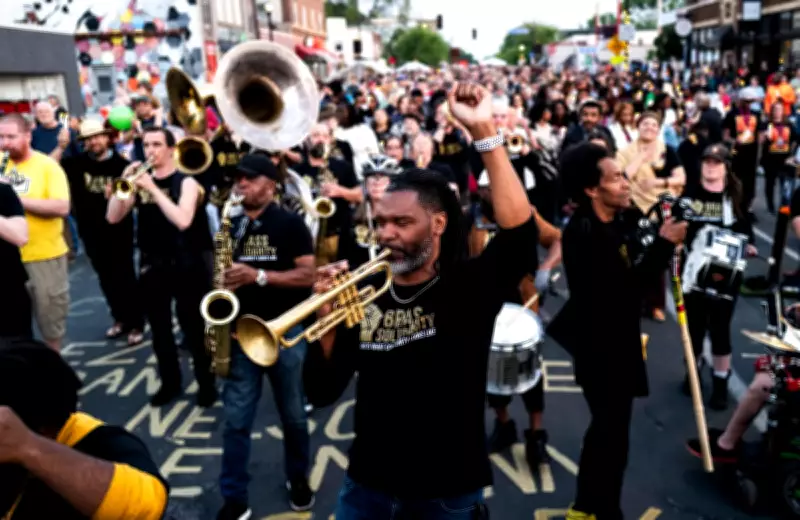
The band began its weekly gatherings at the site where George Floyd was killed by Minneapolis police in 2020. What started as a tribute has grown into a movement with approximately 150 members who play civil rights-era classics like A Change Is Gonna Come alongside contemporary songs that resonate with current struggles. Their mission statement is clear: "a sonic occupation for Black liberation."
Recently, the band's focus has expanded to include victims of federal immigration operations. After federal agents shot Renee Nicole Good just one mile from where Floyd was murdered, Brass Solidarity began playing at her memorial site. They later added Alex Pretti, another victim of immigration officers, to their weekly commemorations.
Community Under Duress
Tony Randazzo, a sousaphonist with the band, describes their music as "a service and an offering for a community under duress." The Twin Cities have experienced what Randazzo calls "ongoing trauma" from the Trump administration's immigration crackdown, with hundreds of violent arrests and deportations affecting neighborhoods across the region.
"ICE has been taking people like chits, like trading cards," said Alsa Bruno, one of the band's lead vocalists. "So many people just aren't leaving their homes because they are worried about being targeted."
Band members themselves have faced harassment and detention by immigration authorities, though not during performances. Federal agents have been stopping people at bus stops, outside grocery stores, and en route to work, creating an atmosphere of fear that has left many residents essentially trapped in their homes.
Musical Inclusivity in Action
Brass Solidarity operates on a radically inclusive principle. The band extends an open invitation to any musician who wants to join, regardless of skill level or instrument. Some members show up with traditional brass instruments, while others bring kazoos, harmonicas, or even egg shakers.
"If you come to the band and all you brought is an egg shaker, that shake matters," Bruno emphasized. This ethos has attracted puppeteers, dancers, and percussionists from both formal and informal backgrounds, creating a truly collaborative arts movement.
Moments of Connection
The band's impact was vividly demonstrated after Good's shooting, when members gathered at the memorial site to play a defiant rendition of the O'Jays' Love Train. Mourners and neighbors formed an actual train, shuffling and swaying together in a moment of joy amid profound grief.
Jordan Powell-Karis, who plays bass drum, described the band's purpose: "In a moment when you would want to fight, to scream and shout and kick, we have this creative expression, a gesture of love and compassion and connection."
National Recognition and Local Impact
Instagram videos of the band playing at vigils and protests in subzero temperatures have been shared tens of thousands of times, reaching audiences across the United States and internationally. Residents who cannot leave their homes due to fear of immigration authorities have written to say they watch these performances online or listen from inside as musicians parade through their neighborhoods.
"I think when people see us playing, showing up, it gives them a little sparkle, a little shine, something to hope towards," said Powell-Karis, noting that some of their videos have garnered nearly a million views.
Processing Trauma Through Music
For band members, the music serves as both community service and personal catharsis. Randazzo recalled singing Gnarls Barkley's Crazy during a tribute to Pretti, with tears streaming down his face as he remembered learning about Good's shooting while running a musical education program at a nearby school.
"The song ends and my face is wet," he said. "I didn't even realize how hard my body was feeling all these feelings."
Despite the Trump administration's recent claims about drawing down immigration operations in the region, Randazzo believes the trauma will linger for years. Brass Solidarity continues its weekly gatherings, providing what Bruno calls "songs from the civil rights movement because Black artists before, our ancestors before, used these songs to sing out our freedom."
In a city marked by loss and fear, this brass band offers more than music—it offers solidarity, hope, and a creative outlet for processing collective grief while demanding justice and liberation for all.