
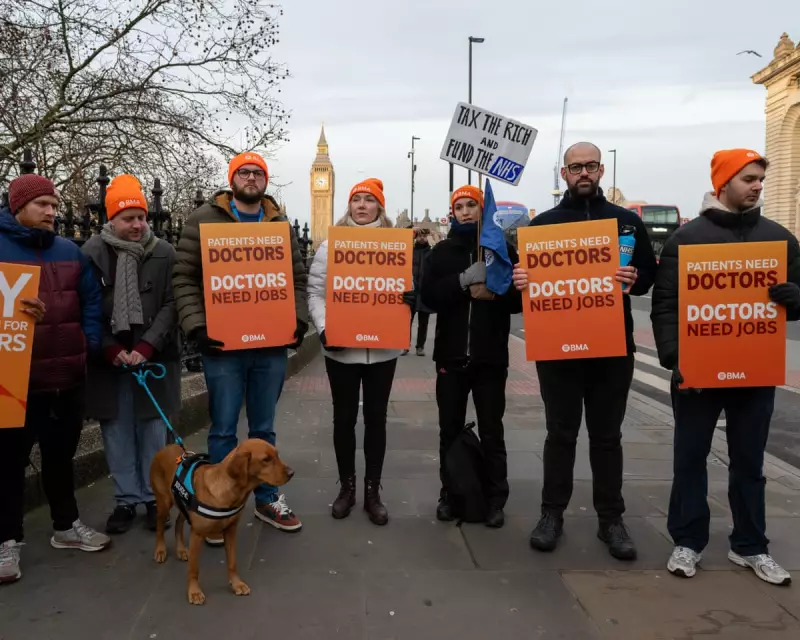
The British Medical Association (BMA) is facing accusations of hypocrisy as its own clerical and administrative staff threaten to strike over a below-inflation pay rise, while the union simultaneously backs a major five-day walkout by junior doctors in the NHS.
Double Dispute: Union Under Fire from Within and Without
On Wednesday, resident doctors in England, who make up nearly half of the NHS medical workforce, began their 14th round of industrial action since March 2023. The five-day strike is set to continue until 7am on Monday, following a collapse in talks between the BMA and Health Secretary Wes Streeting.
Parallel to this, a separate pay dispute is brewing within the BMA's own headquarters. The GMB union, which represents 75% of the BMA's internal staff, has declared a formal dispute after the doctors' union offered a consolidated pay increase of just 2%. This is below the current rate of inflation and has been described as hypocritical given the BMA's fierce criticism of the government's recent 2.5% pay offer to doctors.
Years of Pay Erosion for BMA Staff
The GMB claims that BMA employees have suffered a real-terms pay cut of nearly 17% since 2012 due to successive below-inflation awards. A survey of its members at the BMA found that over 91% would support taking industrial action. Talks between the GMB and BMA management failed on Tuesday, raising the prospect of a strike by the union's staff in the new year.
In response to the dispute, the BMA enhanced its offer by increasing a one-off, non-consolidated payment from £1,250 to £1,500 and offering an extra day of leave at Christmas. The BMA's chief executive, Rachel Podolak, stated the union was facing "extremely challenging financial constraints" but was offering "above market rates for comparable organisations." She argued the total value of the package, including the extra leave, represented a cash impact ranging from 3.2% to 16.31%.
GMB Rejects BMA's Pay Calculations
The GMB has firmly rejected these figures, arguing they misleadingly combine temporary and permanent pay elements—a tactic it says the BMA would never accept in negotiations for doctors. The union contends the real consolidated pay increase is between 1.90% and 1.98%.
A GMB spokesperson criticised the BMA's stance, saying: "It’s disappointing that BMA management are now resorting to placing a percentage pay value on Christmas days off. We remain committed to seeking a credible offer to reflect inflation and a resolution to address years of pay erosion, just as resident doctors are rightly doing for their own pay."
As the BMA navigates this internal turmoil, its external campaign with junior doctors continues unabated. The latest strike action underscores the deep-seated pay disputes affecting both the NHS and the organisations that represent its staff, creating a complex web of industrial unrest in the UK's health sector.




