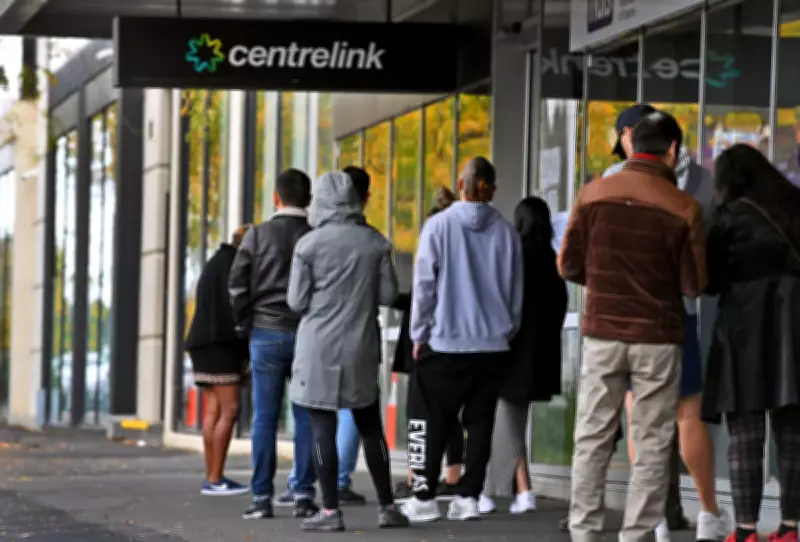
Robodebt Whistleblower Exposes Systemic Failures in Australian Welfare Debt System
A whistleblower has come forward to reveal deep-seated issues within Australia's controversial Robodebt scheme, shedding light on the profound lack of justice and accountability for those affected by the failed Centrelink debt recovery program. The revelations underscore a systemic breakdown in governance and oversight that has left countless individuals grappling with unjust financial burdens.
Unveiling the Injustice
The whistleblower's account details how the Robodebt initiative, which automated debt calculations for welfare recipients, was fundamentally flawed from its inception. Instead of ensuring fair and accurate assessments, the system relied on questionable data-matching techniques that often resulted in erroneous debt notices. This approach not only violated procedural fairness but also placed an undue strain on vulnerable Australians who were forced to prove their innocence against automated accusations.
Key failures identified include:

- Inadequate verification processes for debt calculations
- Lack of human oversight in critical decision-making stages
- Systemic disregard for the financial and emotional well-being of recipients
The Human Cost of Automation
Beyond the technical shortcomings, the human impact of Robodebt has been devastating. Many recipients faced severe financial hardship, mental health crises, and a loss of trust in public institutions. The whistleblower's testimony highlights how the program's design prioritized efficiency over empathy, leading to widespread distress among those already in precarious situations.
"The system failed to recognize the human element," the whistleblower noted, emphasizing that automated processes cannot replace nuanced judgment in welfare administration.
Accountability and Reform
The exposure of these failures raises urgent questions about accountability within government agencies. Despite numerous complaints and legal challenges, there has been limited recourse for victims, with many still awaiting proper redress. The whistleblower's revelations call for a comprehensive review of oversight mechanisms and a commitment to transparent governance in public welfare programs.
Moving forward, experts advocate for:
- Implementing robust independent audits of automated systems
- Establishing clear channels for whistleblower protection and reporting
- Ensuring that future initiatives prioritize fairness and accuracy over cost-cutting measures
The Robodebt scandal serves as a cautionary tale about the dangers of unchecked automation in social services. As Australia grapples with the aftermath, the whistleblower's courage in speaking out underscores the need for systemic reform to prevent similar injustices in the future.