US presidential candidate Robert F. Kennedy Jr has ignited a political firestorm and widespread condemnation from medical experts and advocacy groups following a series of controversial statements about autism.
Controversial Claims and Immediate Backlash
During a recent event, Kennedy asserted that childhood vaccines are driving what he termed an "autism epidemic." He made these remarks on Thursday, 5 December 2025, doubling down on a long-debunked theory that has been thoroughly discredited by the global scientific community.
The candidate, who is running as an independent, stated, "I see an autism epidemic in this country." He directly linked this claim to vaccines, a position that stands in stark opposition to decades of robust medical research which has found no credible causal link.

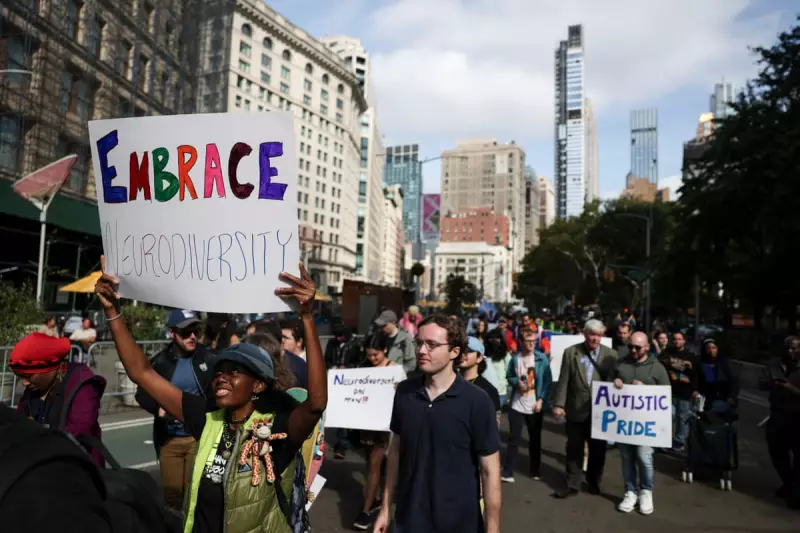
The reaction was swift and severe. The Autistic Self Advocacy Network (ASAN) issued a powerful statement, labelling Kennedy's rhetoric "dangerous" and accusing him of using autistic people as "political pawns." The organisation emphasised that such claims fuel stigma and direct resources away from meaningful support for the autistic community.
A History of Vaccine Misinformation
Kennedy's recent comments are not an isolated incident but part of a well-documented pattern. For years, he has been a leading figure in the anti-vaccine movement, promoting discredited science and fostering public distrust in immunisation programmes.
His activism includes founding the anti-vaccine group Children's Health Defense. Medical professionals and public health officials have repeatedly warned that his promotion of misinformation poses a significant threat to public health, undermining vaccination efforts that prevent serious diseases.
This latest controversy arrives at a critical juncture in the US political cycle, forcing other candidates and parties to address the spread of medical falsehoods. The Democratic National Committee was quick to condemn his statements, highlighting the potential real-world harm caused by such dangerous narratives.
Political Repercussions and the Road Ahead
The fallout extends beyond public health debates, striking at the heart of Kennedy's presidential campaign. His comments have alienated potential supporters and provided ample ammunition for his political opponents.
Critics argue that his stance demonstrates a fundamental disregard for scientific evidence and a willingness to exploit sensitive health issues for political gain. The incident raises serious questions about the role of misinformation in modern political discourse and the responsibilities of those seeking high office.
As the 2024 election season progresses, Kennedy's positioning on vaccines and autism is likely to remain a defining and highly contentious aspect of his independent bid. The strong rebuke from autism advocacy groups underscores a growing intolerance for rhetoric that marginalises and misrepresents neurodivergent individuals for political purposes.
The controversy serves as a stark reminder of the enduring impact of medical misinformation and the ongoing battle to ensure public policy is informed by evidence-based science rather than fear and falsehood.