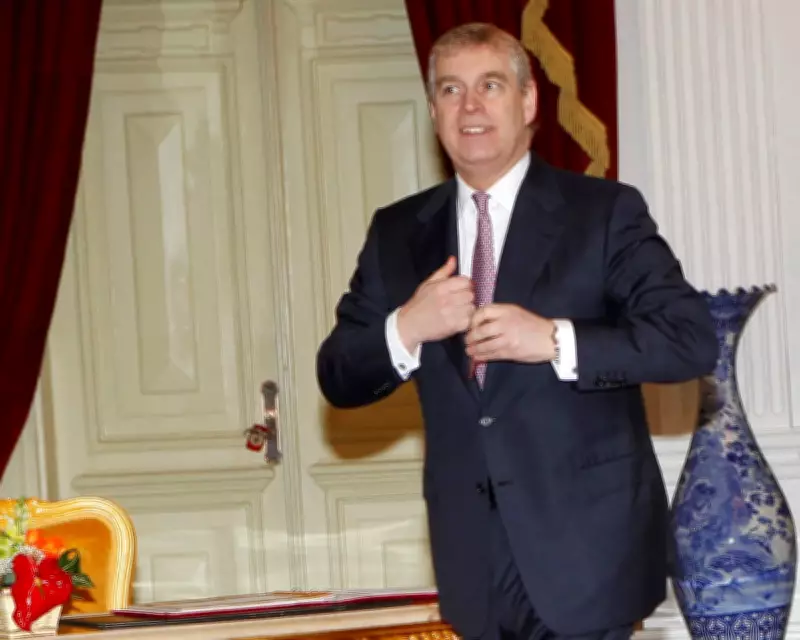
Prince Andrew's Security Vetting Faces Questions Over Trade Envoy Role
New revelations have sparked intense debate about the security vetting and due diligence processes surrounding Prince Andrew's appointment as a UK trade envoy. The controversy centers on whether proper checks were conducted before he assumed the role, given his past associations and controversies.
According to documents and insider accounts, the vetting procedures for the Duke of York may have been inadequate, raising concerns about national security and the integrity of the UK's trade representation. Critics argue that the case highlights systemic flaws in how high-profile appointments are vetted.
Key Issues Raised
- Lack of thorough background checks prior to appointment
- Potential conflicts of interest due to Prince Andrew's international connections
- Questions about the transparency of the vetting process
- Impact on UK's global trade relationships
The due diligence process, which is meant to assess risks and suitability, appears to have overlooked significant red flags. This has led to calls for an independent inquiry into the matter. Government officials have defended the procedures but acknowledged that improvements may be needed.

Political and Public Reaction
Opposition MPs have demanded a full parliamentary debate, while campaign groups argue that such lapses undermine public trust. The controversy also threatens to overshadow the government's trade agenda, with some international partners expressing unease.
In response, a spokesperson for the Cabinet Office stated that all appointments undergo rigorous checks, but declined to comment on specific cases. The Prince's office has not issued a detailed statement, though sources suggest he is cooperating with any reviews.
This story continues to develop as more information comes to light, with potential implications for future trade envoy selections and broader security protocols.