The Albanese government is considering a proposal that would fundamentally alter Australian copyright law, potentially allowing artificial intelligence companies to train their models on all publicly available online content unless individuals actively opt out. This proposal, revealed in leaked government documents, would shift the legal burden from AI companies seeking permission to individuals protecting their own work.
Proposed Opt-Out Model Shifts Legal Burden
According to the leaked documents, the proposal introduces an “opt-out model” that would permit AI companies to use any content from the open internet in Australia—including family photos, small business websites, and personal blogs—without prior consent. Under current Australian law, companies must ask for permission before using copyrighted material. The new model would invert this requirement, forcing individuals to proactively remove their content from AI training datasets through a mechanism that has not yet been proven effective.
This change would mean that the legal system prioritizes the interests of AI corporations over individual rights, placing the responsibility on everyday Australians to monitor and protect their digital property. The proposal has drawn sharp criticism from artists and advocates who argue it undermines the foundational principle of copyright law.

Global Context: Legal Battles and International Precedents
The proposal comes amid a global wave of litigation over AI training practices. More than 200 cases are pending worldwide, with writers, journalists, artists, record labels, and publishers seeking to establish that unauthorized scraping of content for AI training is illegal. In the United Kingdom, a similar push from AI companies was met with resistance last year, as artists including Elton John, Dua Lipa, and Paul McCartney led a national campaign against weakening copyright protections. The UK government ultimately maintained its existing copyright framework.
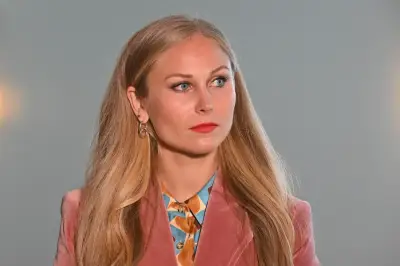
Holly Rankin, an artist professionally known as Jack River and executive director of Sentiment Group, a government affairs and strategic communications firm, emphasized the broader implications: “This is about protecting the rights of all people to keep their right to decide how their content – their photos, their websites, their written word – is used by AI companies.”
Artists and National Security Concerns
Rankin argues that the fight is not limited to professional creators. She noted that AI companies have already scraped billions of pieces of content globally, and that chief executives such as Sam Altman, Dario Amodei, and Elon Musk have called for regulation of their own technology. Copyright law, she contends, is a critical component of that regulation, protecting individuals and their property.
“Every other industry, sector, company and individual has to ask for permission before using an individual’s work – trillion-dollar AI companies must do the same,” Rankin wrote. She questioned the technical and civil competency of AI firms that cannot license training content properly, adding: “They can solve diseases, fight wars, they might kill us all, but they can’t licence the content that makes their model ‘intelligent’ in the first place? Seriously.”
Rankin also raised national security concerns, stating that granting AI companies access to all Australian-shared online content without permission is “a matter of grave concern.” She called on the Albanese government and the Coalition to transparently explain any benefits of weakening citizens’ rights for the sake of large technology companies.
Call for Public Consultation
The proposal has prompted calls for the government to directly consult Australians on whether they want AI companies to train on their content without consent, or whether Australia should lead globally by enforcing legal and consensual training practices. The outcome of this proposal could set a precedent for how nations balance technological innovation with individual rights.