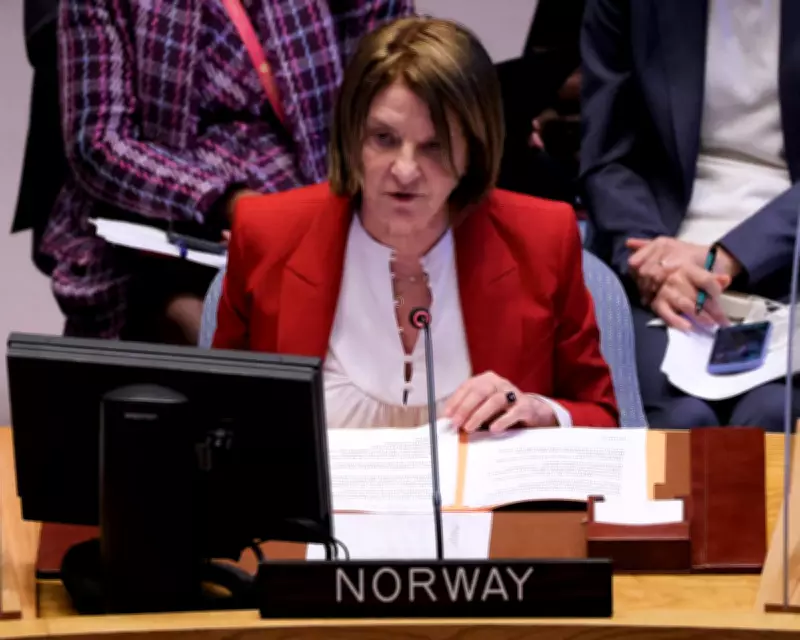
Norway's Diplomatic Reputation Tarnished by Epstein Files Revelations
The recent disclosure of millions of emails from the Jeffrey Epstein files has sent shockwaves through Norway, challenging the country's long-held self-image as a bastion of diplomacy and egalitarianism. This scandal implicates some of Norway's most prominent political and diplomatic figures, raising serious questions about integrity and trust at the highest levels of power.
High-Profile Figures Under Investigation for Corruption
At the centre of the controversy are Mona Juul, a former ambassador to the UN, and her husband, Terje Rød-Larsen, both celebrated for their roles in the Oslo peace accords. They are now under investigation by Norway's financial crimes unit, Økokrim, following reports that Epstein bequeathed $10 million to their children in his will. Juul has resigned from her ambassadorial posts and faces allegations of gross corruption, while Rød-Larsen is suspected of complicity.
Other notable individuals embroiled in the scandal include Børge Brende, a former foreign minister, and Thorbjørn Jagland, an ex-prime minister and Nobel peace prize chair. The files suggest these figures engaged in friendly communications with Epstein, accepted luxury holidays, and may have lied about their knowledge of his crimes, leading to further corruption probes.
The Dramatic Fall from Grace of a Diplomatic Power Couple
The downfall of Juul and Rød-Larsen is particularly striking, given their revered status in Norwegian diplomatic circles. Their careers were built on brokering secret negotiations between Israel and the PLO in the 1990s, culminating in the Oslo accords. This achievement was dramatised in the award-winning play Oslo, which portrayed them as heroic figures.
However, the Epstein files reveal a darker side. In 2017, Rød-Larsen invited Epstein as a guest of honour to a sponsored performance of the play, with Epstein's funds covering the event. Rød-Larsen later described Epstein as his "best friend" in private texts, and he resigned from his role at the International Peace Institute after revelations of a loan from the financier. The couple is also suspected of facilitating visas for Russian models and making business introductions at Epstein's request.
Impact on Norway's Social Contract and Political Landscape
Norway has cultivated a global brand based on humanitarian efforts and diplomatic success, underpinned by its petroleum wealth. The country prides itself on an egalitarian culture with low inequality and high public trust. Yet, the Epstein files expose a cosmopolitan elite that appears disconnected from these values, engaging in luxury and potentially corrupt practices.
Most of the implicated figures have social democrat backgrounds, yet their actions have contributed to rising socioeconomic inequalities. This scandal risks reinforcing far-right narratives about a contemptuous elite, potentially boosting parties like the opposition Progress party. Restoring public trust will require significant effort from the governing Labour party as the fallout continues to unfold.
The motives behind Epstein's connections to Norway's elite remain unclear, but speculation includes desires for proximity to Russian power circles. Regardless, the moral implications are profound, highlighting a willingness among some to enable movements that threaten liberal democracy in Europe.