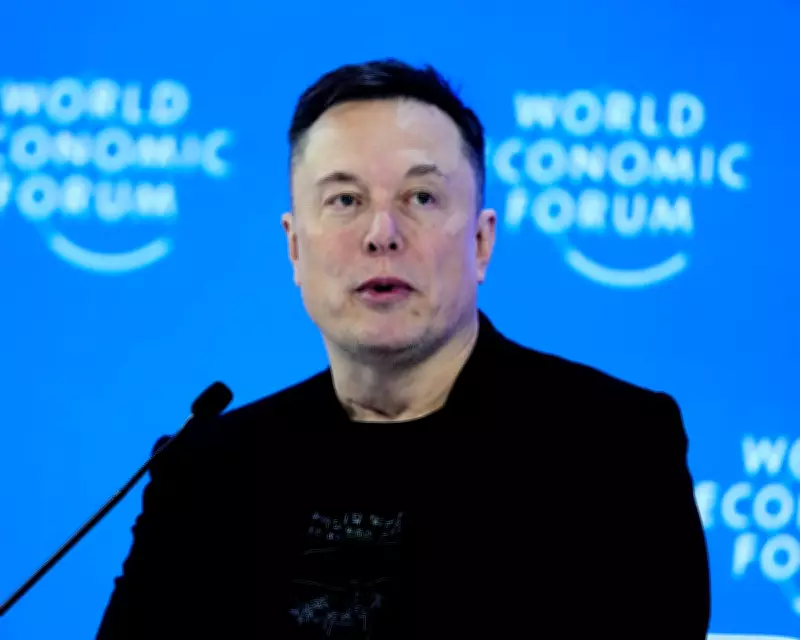
Elon Musk, the world’s richest man with the thinnest skin, has been on a tear over the casting of Lupita Nyong’o as Helen of Troy in Christopher Nolan’s upcoming film adaptation of Homer’s The Odyssey. The Oscar-winning actress’s confirmation sparked a wave of online outrage from conservatives, with Musk leading the charge.
Musk’s Meltdown Over Mythological Casting
Since the announcement, Musk has posted repeatedly on X, amplifying bigoted voices and arguing that the casting is historically inaccurate and part of a leftist plot to destroy Western civilization. He replied “true” to a post by conservative commentator Matt Walsh calling Nolan a “coward” for not casting a white woman as “the most beautiful woman in the world.” Musk also endorsed a post claiming the casting is an attack on Greek foundations of democracy and art.
Yet, as Jimmy Kimmel noted, Helen of Troy is a mythical figure—daughter of Zeus and a swan—making her race irrelevant. The outrage, therefore, seems rooted in something deeper than cinematic fidelity.

Musk’s Racial Obsession
This isn’t an isolated incident. A Guardian analysis found that in January alone, Musk posted about white race threats on 26 of 31 days. Heidi Beirich, co-founder of the Global Project Against Hate and Extremism, said that without Musk’s name, such posts would appear to come from a white supremacist. Musk’s fixation on race appears to be a recurring theme in his public persona.
Despite his immense wealth—now estimated at $800 billion—Musk seems unable to find contentment. He bought Twitter for $44 billion in 2022, tweaked its algorithm to boost his visibility, and spent over $290 million supporting Trump’s 2024 election campaign. Yet, according to a Washington Post analysis, he now spends most of his time on X interacting with an anonymous account called “XFreeze,” which heaps praise on him.
A Hollow Life
“Musk loves to be glazed, and this person is the doughnut factory,” said Joan Donovan, a Boston University professor, to the Post. The tragedy is palpable: a man with dozens of children and multiple companies chooses to obsess over a fictional character’s race and engage in an online bromance with a sycophant. Nothing seems able to fill the void in his soul.
In the end, Musk’s tantrum over Nyong’o’s casting says more about his own insecurities than about the film. He may have the world’s fattest bank account, but his thin skin reveals a deep, unfulfilled need for validation—a need that no amount of wealth or power can satisfy.