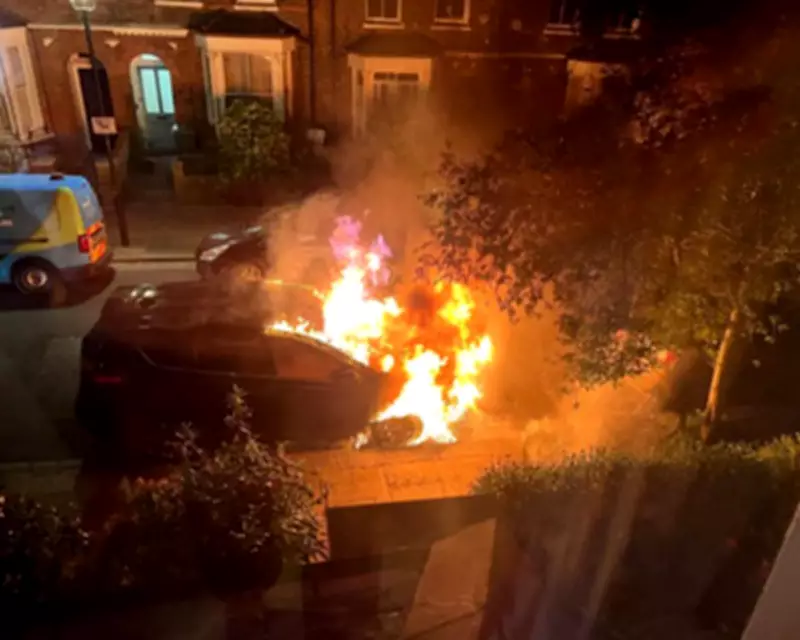
A man has told a UK court that he was threatened into setting fire to a car linked to Sir Keir Starmer, the Labour leader. The incident has raised security concerns and is part of a broader investigation into potential threats against high-profile political figures.
Court Testimony Details
During the hearing at the Old Bailey, the defendant claimed he was coerced by unknown individuals who threatened him and his family. He stated that he was instructed to target the vehicle, which was registered to a company associated with Starmer's political activities. The fire caused significant damage to the car, which was parked outside a residential address in London.
Prosecution's Argument
The prosecution argued that the defendant acted voluntarily and that his claims of coercion were fabricated. They presented evidence including CCTV footage and phone records that allegedly show the defendant acting alone. The prosecution also highlighted the potential political motivation behind the attack, given Starmer's prominent role in UK politics.

Security Implications
The case has sparked discussions about the safety of political figures and their families. Security experts have noted that such incidents, if proven to be politically motivated, could require enhanced protective measures. The Metropolitan Police have declined to comment on specific security arrangements but confirmed they are reviewing protocols.
Background of the Incident
The arson attack occurred in February 2026, when the car was set alight in a residential street. Firefighters quickly extinguished the blaze, but the vehicle was destroyed. No injuries were reported. Starmer was not present at the time, and his office has not issued a statement on the case.
Legal Proceedings
The trial is ongoing, with the defendant facing charges of arson and criminal damage. If convicted, he could face a lengthy prison sentence. The court has heard testimony from witnesses and forensic experts. The defense is expected to call further witnesses to support the coercion claim.
Public and Political Reaction
The case has attracted media attention, with political commentators noting the unusual nature of the threat. Some have called for a thorough investigation into whether there is a wider network targeting politicians. Others have urged restraint, warning against jumping to conclusions before the verdict.
The trial continues, with the judge reminding the jury to consider the evidence carefully. The outcome is awaited with interest, as it may set a precedent for how such politically charged cases are handled in the future.