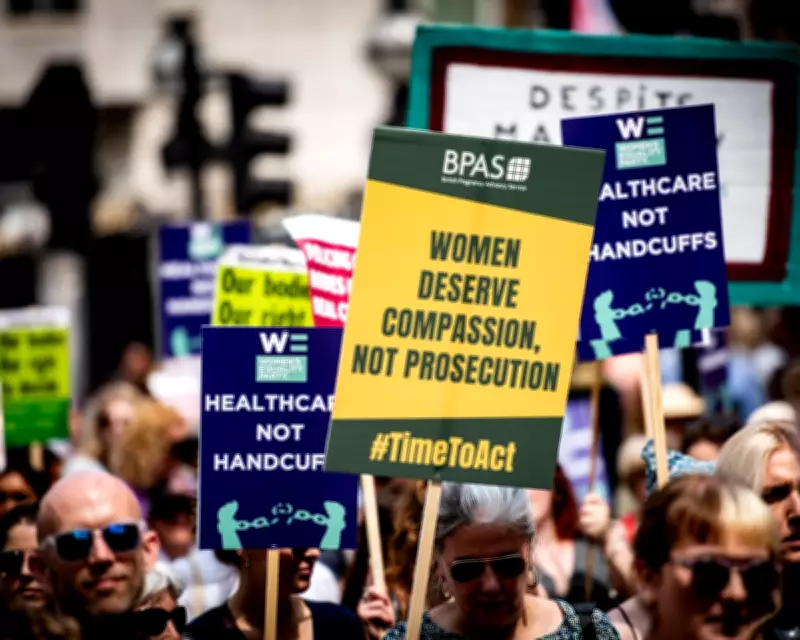
Parliament Approves Landmark Legislation to Pardon Women for Abortion Convictions
In a historic move, MPs and peers have given final approval to legislation that will pardon women convicted of illegal abortions in England and Wales, with the law set to take effect in the coming weeks. This amendment to the crime and policing bill not only grants automatic pardons for convictions and cautions but also expunges police records for those arrested or investigated, effectively ending future prosecutions for women who terminate their own pregnancies.
Ending Centuries of Criminalisation
The bill, which has passed through parliamentary ping-pong between the House of Lords and Commons, is expected to receive royal assent shortly, marking a significant shift in legal treatment. Introduced by Labour backbencher Tonia Antoniazzi, the clause aims to protect women harmed by outdated criminal laws. Antoniazzi emphasized that this change will allow affected women to reintegrate into society fully, pursuing careers and travel without the burden of disclosure.
Historical Context and Impact

Research by Julia Porter Burke, a doctoral candidate at Columbia University, reveals that over a century, only 20 women were charged with procuring their own abortions in English and Welsh assize courts with extant records from the 19th century. However, data indicates that as many women have been charged in the past two decades as in the entire 1800s, highlighting the ongoing relevance of this reform.
Notable Cases from the Past
Among those to be pardoned is Fanny Warboys, the first woman criminalised under the 1861 Offences Against the Person Act. In 1862, Warboys, a widow who suffered grievous injuries from a backstreet abortion, was convicted and sentenced to three months' imprisonment after surviving her ordeal. Another case involves Mary Jane Baynon, jailed in 1891 for three months after traveling from Ireland to London for an abortion, only to be betrayed by a fraudulent surgeon.
Compassion in the Courts
Court records from the 19th century also show instances of judicial leniency. For example, in 1881, Emma Sarah Rice, found guilty while pregnant and ill, received a sentence of just one day without hard labour, with the judge expressing pity rather than condemnation.
Ongoing Concerns and Calls for Action
Despite the progress, concerns remain that women currently under investigation may still face criminalisation, even if their cases reach court after the law changes. Antoniazzi has urged the police and Crown Prosecution Service to halt such investigations, arguing that prosecuting women for a soon-to-be-pardoned crime wastes public resources. The CPS and National Police Chiefs' Council have been approached for comment on these matters.
This legislation represents a pivotal step toward justice and equality, addressing historical wrongs while setting a precedent for modern reproductive rights in England and Wales.