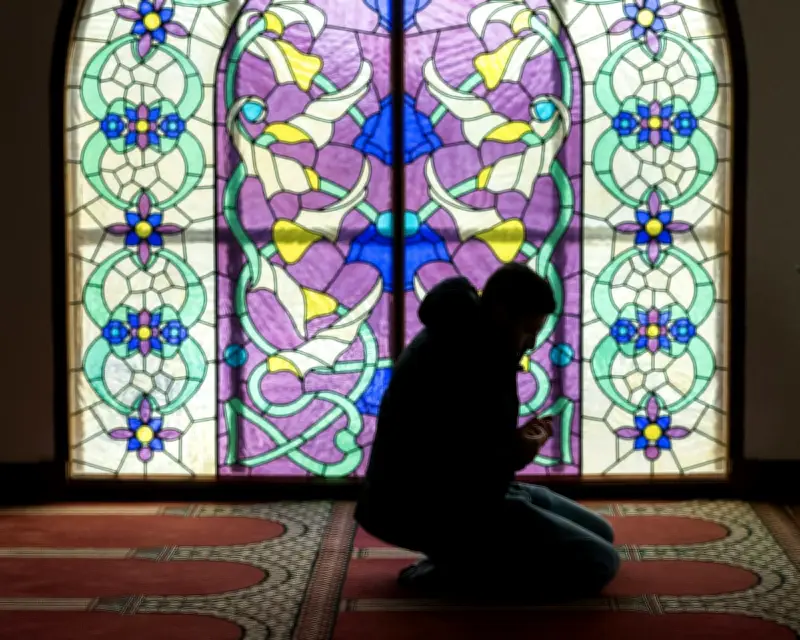
Attacks in Edinburgh that injured five men, including two leaving a mosque, have intensified fear among Muslims in Britain. A man has been charged with five counts of attempted murder, allegedly aggravated by a terrorist connection. The case received limited attention outside Scotland.
Growing Fear and Prejudice
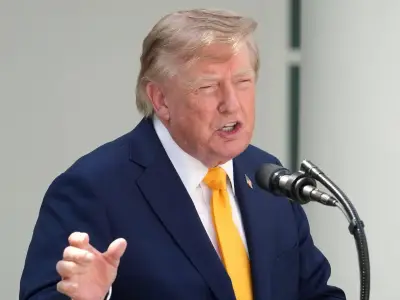
Muslim communities in the UK, Europe, and the US face real and growing fear. US President Donald Trump's statement that 'Islam hates us' exemplifies open Islamophobic rhetoric from political figures. A muted response from others, combined with violence, leaves many feeling vulnerable.
According to a survey by the British Muslim Trust, 56% of Muslims experienced prejudice based on their religion in the last year. The Tell Mama project recorded 6,313 anti-Muslim hate cases in 2024. Religious hate crimes in England and Wales hit record levels, with 45% directed at Muslims. Mosques are frequently targeted; the Muslim Council of Britain has urged lockdown drills. In the US, two white supremacists killed three people at a San Diego mosque last month.

Unclear Motivations and Broader Trends
Whether victims are targeted for ethnicity or religion can be unclear. Some are attacked for being wrongly perceived as Muslim. A crime may be recorded as anti-Muslim if a woman's hijab is pulled off, but not if she is spat at with xenophobic slurs. Amnesty International's Northern Ireland director noted that anti-Muslim sentiment appeared more prominent in Belfast's anti-migrant riots this month than in previous racist violence.
Islamophobic incidents, like antisemitic ones, have risen sharply since the Hamas attacks of 7 October 2023 and the Gaza war. But roots go deeper. The European Islamophobia Report warned of 'a disturbing normalization of anti-Muslim racism.' Nearly a quarter of European voters now back far-right parties. The report argues that such movements push centrist politicians to adopt exclusionary, securitized rhetoric. A 2024 Runnymede Trust report found Muslims increasingly portrayed as a menace. Peer Sayeeda Warsi said Muslims are 'seen as fair game.'
Policy Responses Needed
A new hate crime strategy would help. Critics say embedding the issue in a broader community-strengthening plan dilutes focus. The government should rethink funding for schools and mosques: requiring applicants to prove prior hate crime leaves vulnerable sites unprotected. Better social media regulation is crucial, as disinformation, often promoted for profit or by foreign actors, fans the flames.
Condemnation of hate crime is the bare minimum. Politicians and the public must challenge the broader rise in anti-Muslim sentiment. As Sayeeda Warsi stated, 'What is beyond doubt is the real and growing fear experienced by Muslim communities.'