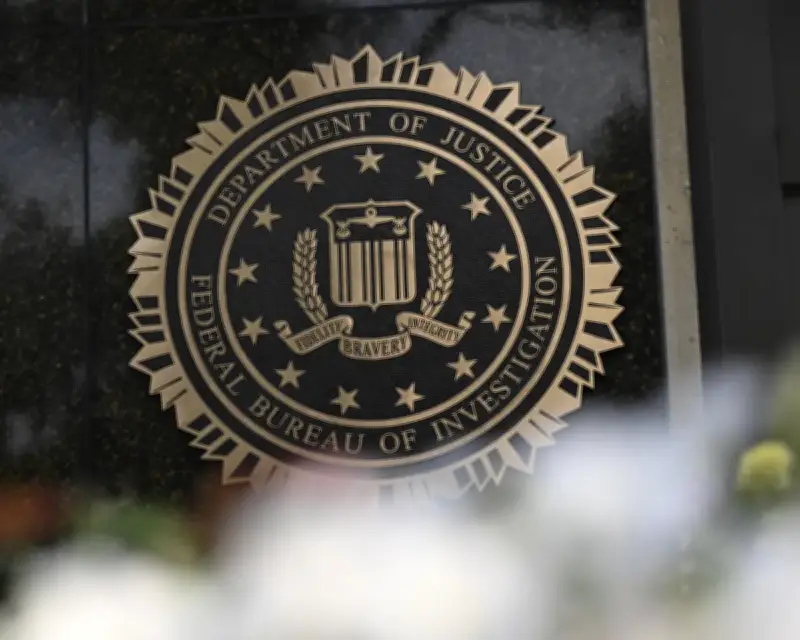
The FBI has seized 13 fake websites, including one impersonating an Australian consultancy firm, as part of an ongoing investigation into alleged Chinese espionage. The websites were allegedly created to recruit US citizens with access to sensitive information, according to a senior FBI officer's affidavit.
Fake consultancy impersonates Brisbane firm
Horizzen, a small Brisbane-based consultancy, discovered in June that a fake website was using its name, business address, phone number, and content but with a different design. The impersonating site claimed to be an “architect of influence” and was recruiting experts in defence, trade, and politics. Horizzen had been receiving emails and calls from jobseekers since mid-2025, but initially dismissed them as spam.
“At first, I dismissed it as a cheap knock-off,” a Horizzen spokesperson said. The company realised the scale of deception when the US Department of Justice seized the website as part of a multi-agency investigation.
Five Eyes warning and FBI action
In early June, intelligence agencies from Australia, the UK, the US, Canada, and New Zealand issued a rare public warning about Chinese spies posing as recruiters on platforms like LinkedIn. The joint Five Eyes statement said Chinese intelligence officers pose as online HR recruiters or consultants representing fake ‘cover companies’ located outside China.
Within 24 hours of the warning, the FBI obtained a warrant to seize the website impersonating Horizzen and 12 others. According to an affidavit, the sites were created to “recruit individuals in the United States to obtain sensitive and possibly classified information in exchange for monetary payments” on China’s behalf. The FBI agent noted the use of aliases, stolen identities, and AI-generated photographs.
Catalyst Global Solutions and recruitment tactics
One of the seized websites belonged to Catalyst Global Solutions (CGS), which claimed to be “among DC’s top firms” but had a listed address in Lahore, Pakistan. The FBI alleged CGS used an Australian job website to recruit analysts and consultants specialising in “international relations” and “geo-politics”, and in at least one case sought an expert in the Indo-Pacific region.
The Chinese embassy in Canberra rejected the allegations, with a spokesperson saying: “the US accusation has no factual basis and is purely smears and denigration.”
Impact on Horizzen and broader concerns
Horizzen's spokesperson expressed “shock and disbelief” at the news, questioning the reputational damage to the company and others who may have been misled. The FBI noted the website impersonating Horizzen was registered in India, and an FBI spokesperson said malicious actors often use “spoofing” to appear legitimate.
Australian Security Intelligence Organisation (Asio) has previously warned of similar espionage activity, including a spy ring known as “the A team” targeting Australians on LinkedIn. Asio’s annual threat assessment said spies pose as consultants, headhunters, and researchers from fictional companies.
While suspicious emails to Horizzen have stopped, the company remains concerned about the growing threat. “AI gives opportunists the ability to create convincing websites, communications, images and corporate identities quickly, cheaply and at frightening scale,” the spokesperson said.
Five Eyes agencies urge anyone who suspects contact with a fake consultancy to report details and disengage. Horizzen advises businesses to take unexpected approaches seriously, as “what looks like ordinary spam may be connected to something far more sinister.”