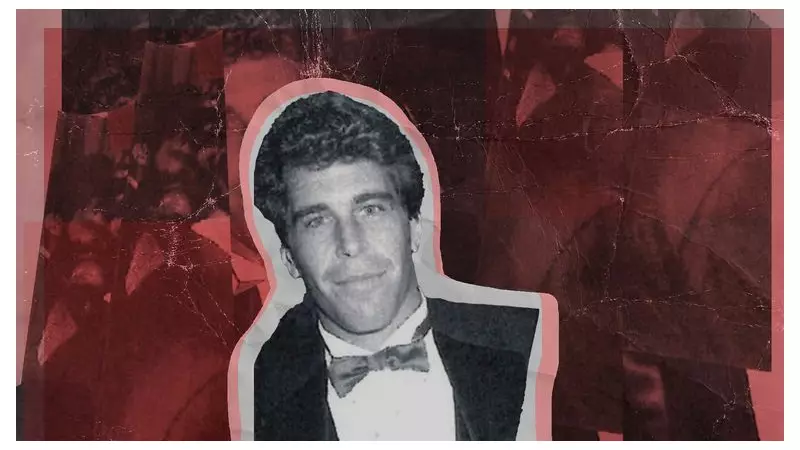
Six years after his death in a Manhattan prison cell, the spectre of disgraced financier Jeffrey Epstein continues to loom over the worlds of politics, business, and royalty. His most valuable asset was never money, but people – a vast, interconnected web of the global elite that he cultivated and exploited for decades.
A Network Forged in Power and Privilege
Epstein's homes were galleries of influence, lined with framed photographs featuring presidents, princes, and even Pope John Paul II. His career was built on curating connections with world leaders, business titans, and leading scientific minds. As Andrew, the Duke of York, infamously noted in a 2019 interview, Epstein had an "extraordinary ability to bring extraordinary people together."
This network was truly global, spanning hedge fund owners, bankers, hoteliers, and politicians from both sides of the Atlantic. Former Labour minister Peter Mandelson once described his "best pal" Epstein as a "prolific networker." The financier's Palm Beach mansion was a mere seven-minute drive from Donald Trump's Mar-a-Lago estate. In 2002, Mr Trump told New York Magazine, "I've known Jeff for 15 years. Terrific guy... It is even said that he likes beautiful women as much as I do, and many of them are on the younger side."

The release of thousands of personal emails has since revealed the startling breadth of his contacts. Former prime ministers and presidents sought his counsel on matters of politics and finance, while his inbox was a who's who of power brokers.
The Chilling Reality Behind the Facade
Behind this carefully constructed image of a enigmatic, busy genius lay a predatory reality. Epstein's 'black book' contained lengthy lists of women across the world, from London and Paris to New York and his private island, listed for scheduled 'massages.' This premise was his primary entry route to systemic sexual abuse, a routine he followed with impunity on private jets and in secluded properties.
Authorities discovered "an extraordinary volume" of naked photographs of young girls during a raid on his New York townhouse in July 2019. Despite pleading guilty in 2008 to soliciting a minor for prostitution and becoming a registered sex offender, Epstein showed no remorse. In a 2018 message to a friend, he mockingly wrote about the #MeToo movement, stating "breast cancer was easier to cure."
Victim Virginia Giuffre revealed in her memoir that Epstein held warped views on consent, claiming that if girls had begun menstruating, they were biologically of age to have sex. He paid specialists to 'clean up' his Google search results post-conviction, complaining in a 2010 email that despite spending thousands, "the google page is not good."
An Enduring Shadow Over the Powerful
Epstein's final act was to sign a will just 48 hours before his death on 10 August 2019, placing his assets into a trust with private beneficiaries. His death in a federal prison cell while awaiting trial on sex trafficking charges silenced a legal process, but not the questions.
As more documents and photographs – including dozens from his private island and his brazen 50th birthday book – enter the public domain, the intimate portrait of the man becomes clearer. The candid snaps and smutty anecdotes from powerful friends within the book flaunt a lavish lifestyle built on exploitation.
Virginia Giuffre, who took her own life earlier this year, concluded her memoir with a stark warning: "Epstein is dead but the attitude that allowed him to do what he did, it's alive and well." Six years on, the fear of what else may emerge continues to haunt those within his orbit, threatening reputations, careers, and the fragile veneer of their privilege. The currency of people he traded in has left a debt that remains unpaid.