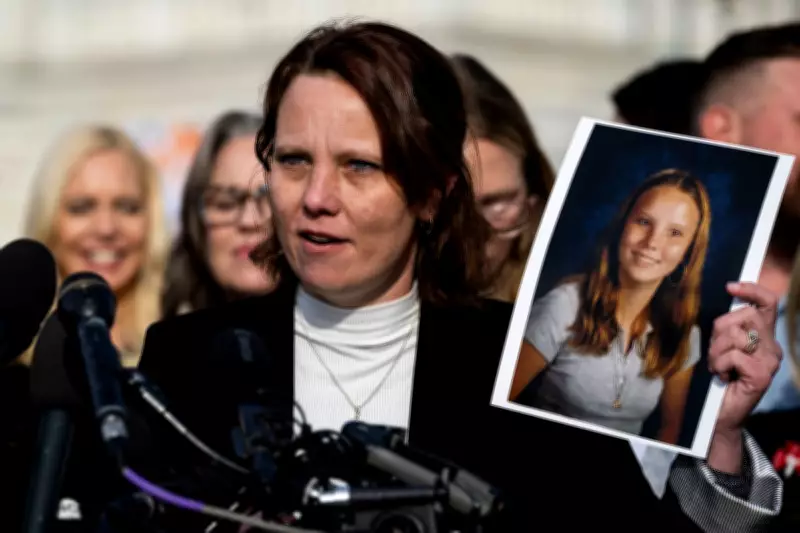
Epstein Survivor's Political Disillusionment: From Hope to Fear
Jena Lisa Jones, a survivor of Jeffrey Epstein's abuse, recently revealed her profound disappointment with the political process after voting for Donald Trump in the 2024 election. Jones, who was abused by Epstein at age 14, supported Trump primarily because of his campaign promises to release all files related to the Epstein case, hoping this would lead to justice.
Campaign Promises Versus Political Reality
In an emotional interview on the Shadow Sessions podcast, Jones explained her initial optimism. "Trump ran his whole freakin' election on the release of these freakin' files," she stated. "And it sparked it back all up again, gave us hope, gave me hope at least." She emphasized that this issue motivated many survivors and supporters to vote for Trump, believing transparency would finally be achieved.
However, Jones described a stark shift after the election. "As soon as he gets in, we started pushing for the release of the files, and now it's a 'Democratic hoax'," she said, referencing Trump's dismissal of calls for additional disclosures. This reversal left her feeling betrayed and concerned that justice might remain elusive.

The Ongoing Struggle for Transparency
Despite Trump eventually signing a bill in November 2025 requiring the Justice Department to release Epstein records, Jones remains unsatisfied. The department has released multiple batches of documents, including approximately 3 million records in January, but Jones has not found her own files among them. "I haven't seen my files in there, and I know that they have files, because I did speak with the FBI," she asserted.
This lack of complete transparency has fueled criticism from survivors and lawmakers alike. Some argue that the Justice Department is withholding or redacting materials improperly, while others note that personal information about survivors has been exposed in released documents, adding to their trauma.
Personal Toll and Unwavering Resolve
Jones spoke candidly about the personal cost of speaking out. "When you do speak out, they eat you alive – you have a lot of support, but you also have a lot of crazy people that are out there," she shared, revealing that she has received death threats. Yet, she remains committed to her advocacy, driven by connections with other survivors. "Every time I share my story, and a young girl reaches out to me... it reminds me every freakin' day exactly why I'm doing this," Jones explained.
Her fear is palpable. "That we're not going to get justice in all of this and take down the bad people," she said when asked about her greatest concern. This sentiment echoes among many Epstein survivors who continue to push for accountability.
Political Backdrop and Legal Complexities
The Epstein case has become deeply politicized. Trump initially opposed the congressional bill mandating file releases but reversed his position when bipartisan support became evident. He has consistently denied any wrongdoing or knowledge of Epstein's crimes. Meanwhile, the Justice Department maintains that all responsive documents have been produced, except those that are duplicates, privileged, or part of ongoing investigations.
Jones's journey highlights the tension between political promises and tangible outcomes for survivors seeking closure. Her story underscores the challenges in navigating a system where legal processes and political agendas often intersect, leaving vulnerable individuals caught in the crossfire.