UK Authorities Make Epstein-Related Arrests as US Investigation Stalls
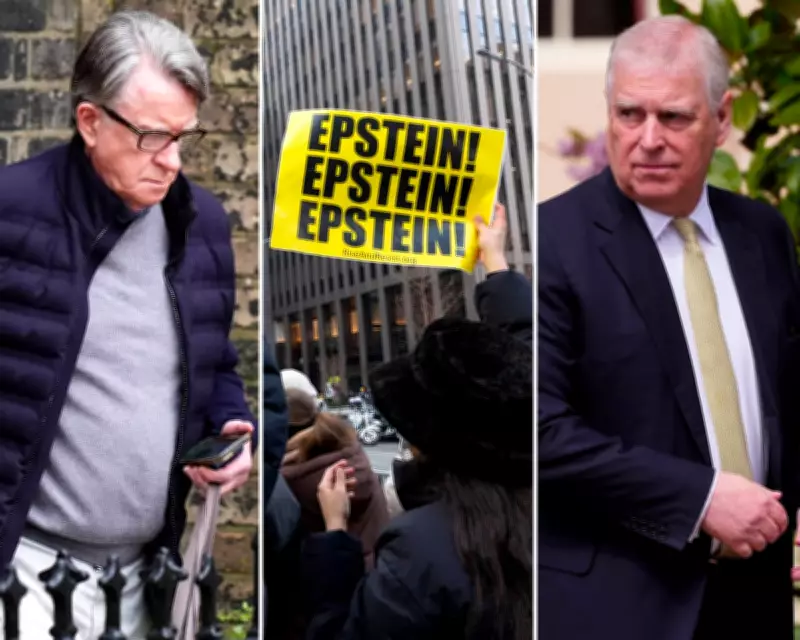
British law enforcement has taken decisive action in the ongoing Jeffrey Epstein scandal, arresting two prominent figures with connections to the disgraced financier. Peter Mandelson, the former Labour cabinet minister, and Andrew Mountbatten-Windsor, a member of the British royal family, have both been detained for questioning regarding their associations with Epstein.
Theatrical Police Procedures and Legal Challenges
Despite the dramatic nature of the arrests, observers noted the Metropolitan Police showed remarkable restraint during the apprehension process. The officers refrained from the traditional "perp walk" theatrics, including the customary hand-on-head gesture when placing suspects into police vehicles. This subdued approach may reflect the complex legal landscape surrounding these cases.
The charges being investigated, particularly misconduct in a public office, represent some of the most challenging legal territory for prosecutors. These archaic laws require exceptionally high standards of proof, potentially limiting the legal consequences for those involved. Both individuals have vehemently denied any wrongdoing through their representatives.

Contrasting Approaches: UK Action Versus US Inaction
While British authorities have moved forward with arrests, American law enforcement agencies have shown remarkable reluctance to pursue similar actions. This disparity has raised significant questions about the consistency of justice across international borders. The Epstein scandal, which spanned decades and involved numerous high-profile individuals, appears to have resulted in minimal legal consequences beyond Epstein himself and his associate Ghislaine Maxwell.
This investigative imbalance becomes particularly striking when considering the scale of Epstein's alleged operations. Former Trump administration officials have described Epstein as "the greatest blackmailer ever," suggesting a vast network of complicity that extended far beyond the two individuals currently facing justice.
Victim Concerns and Investigative Shortcomings
The recent release of court documents has compounded concerns about the handling of this sensitive case. Nearly one hundred survivors reported that their personal information, including names, addresses, and financial details, was improperly disclosed in thousands of documents and photographs. The Department of Justice attributed these breaches to "technical or human error," but this explanation has done little to reassure victims or the public.
Many survivors have expressed frustration that while their identities have been compromised, numerous alleged perpetrators continue to operate without legal scrutiny. This pattern has led to growing skepticism about whether justice will ever be fully served for the women and girls affected by Epstein's activities.
Institutional Protection and Elite Immunity
Analysis suggests that the individuals facing legal consequences share certain characteristics that may make them more vulnerable to prosecution. Both come from institutions that have experienced significant public scrutiny and declining influence in recent years. This pattern raises questions about whether more powerful figures from sectors like technology and finance enjoy greater protection from legal consequences.
The apparent immunity enjoyed by many of Epstein's associates has led to increasing public frustration. Despite conservative estimates suggesting dozens, if not hundreds, of individuals would have been necessary to sustain Epstein's operations for decades, law enforcement has shown minimal progress in identifying or prosecuting additional participants.
The Future of Epstein Investigations
Looking forward, there is growing pessimism about the likelihood of additional convictions related to Epstein's sex trafficking network. Many legal observers now believe that beyond the deceased Epstein and incarcerated Maxwell, no further individuals will face formal charges or convictions for their involvement in these activities.

This reality suggests that numerous high-profile figures who the public would like to see questioned may never face formal investigation. These individuals appear to operate with confidence that the systems designed to hold them accountable will ultimately provide protection rather than justice.
The contrasting approaches between British and American authorities highlight fundamental differences in how different justice systems address complex scandals involving powerful individuals. While the UK has taken visible, if legally challenging, steps toward accountability, the US investigation appears stalled, leaving victims and observers questioning whether true justice will ever be achieved.