Epstein Files Release Fails to Quell Outrage as Advocates Claim Documents Withheld
The release of approximately three million Jeffrey Epstein investigative files by the US Department of Justice has failed to satisfy transparency demands, with advocates and legal experts claiming that potentially millions of additional documents are still being withheld from public scrutiny. This disclosure, which occurred nearly six weeks after the statutory deadline, has ignited fresh criticism over the handling of one of the most notorious sexual abuse cases in recent American history.
Missed Deadline and Incomplete Transparency
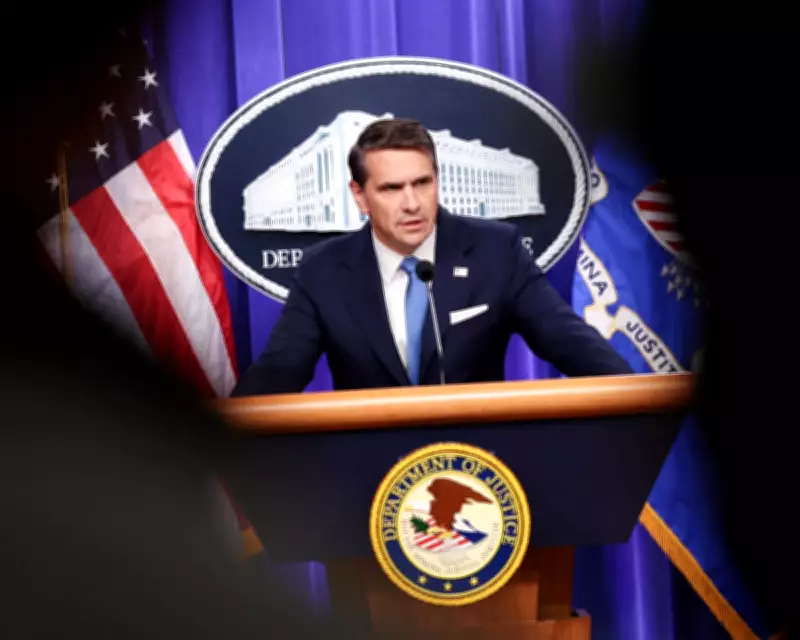
Under The Epstein Files Transparency Act (EFTA), Donald Trump's Department of Justice was legally required to disclose all investigative files by 19 December. While some documents were released on that date, the bulk of the material – over three million pages – was only made public last week, significantly past the deadline. Deputy Attorney General Todd Blanche, who previously served as Trump's criminal defense lawyer, addressed reporters to explain the delay.
Blanche stated, "This disclosure marks the end of a very comprehensive document identification and review process to ensure transparency to the American people and compliance with the act." He emphasised that the Department had identified more than six million pages as potentially responsive but had erred on the side of over-collection to maximise transparency. "The number of responsive pages is significantly smaller than the total number of pages initially collected," Blanche added, explaining why only three million pages were released.

Advocates and Victims Demand Full Accountability
The gap between the identified documents and those actually released has prompted sharp criticism from legal advocates representing Epstein's victims. Jennifer Plotkin of Merson Law, which represents more than thirty victims, argued that the government continues to avoid accountability. "The release of the files proves the government failed the victims over and over again," Plotkin said, highlighting ongoing frustrations with the justice system's handling of the case.
Dr Ann Olivarius, a prominent women's rights attorney and founder of McAllister Olivarius law firm, pointed out that the disclosures have not adequately addressed how Epstein evaded justice for decades. "We have plenty of files on Epstein's depravity. What we are missing are the files on his immunity," Olivarius remarked. She questioned the dramatic reduction from six million to three million pages, expressing suspicion over the Department's determination of what constitutes responsive material.
Legal Challenges and Political Backlash
News website Radar Online, which filed a lawsuit over eight years ago after the FBI failed to disclose Epstein files under a Freedom of Information Act request, described last week's disclosure as insufficient. A spokesperson for Radar stated, "In addition to the many questionable redactions the public has identified, the DOJ has acknowledged that millions of Epstein records were fully withheld." The organisation has asked the Second Circuit Court of Appeals to return the case to the District Court for further scrutiny.
Top Democrats have also condemned the handling of the files. Congressman Jamie Raskin, the ranking member of the House Judiciary Committee, appeared on CNN's State of the Union to voice his concerns. "We are witnessing a full blown cover-up," Raskin declared. "They've said there are 6m potentially responsive documents there. They've only released 3m with more than 10,000 redactions. What about the other 3m files?"
Department of Justice Defends Its Actions
In response to mounting criticism, a Department of Justice official defended the agency's compliance with the law. "This is a tired narrative. Just because you wish something to be true, doesn't mean it is," the official said in an email. "This Department produced more than 3.5 million pages in compliance with the law and has disclosed to the public and to Congress what items were not responsive, in accordance with the Act."

The official further suggested that critics should review the actual language of the legislation, stating, "I assume all members of Congress read the actual language before voting on it, but if not, our press release and letter to Congress clearly spells this out." Despite these assurances, advocates remain steadfast in their demand for complete transparency, arguing that the fight for accountability is far from over.