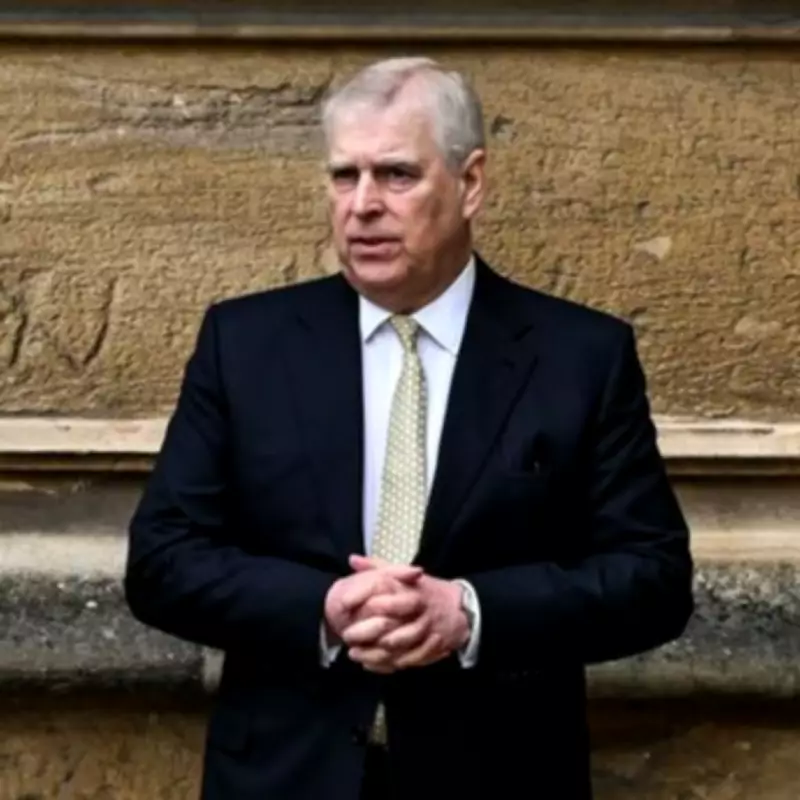
The City of London Corporation refused to publicly debate Andrew Mountbatten-Windsor’s Freedom at a meeting yesterday afternoon, citing concerns over a live criminal investigation and the need for members to feel they can speak "freely" on the matter.
Motion of Censure Approved in Private
The Corporation was due to vote on a proposed motion of censure, expressing its “disapproval” in the former prince, once the meeting had moved into private. Alderwoman Martha Grekos however attempted to move the item into public, arguing that debating such a topic in private would result in “reputational damage” for the Corporation. Members overwhelmingly agreed to retain the agenda as planned, with only a few backing Alderwoman Grekos’ call. The motion of censure was proposed after Mr Mountbatten-Windsor refused to reply to a letter the Corporation sent last month asking him to give up the Freedom of the City of London.
Background of the Honour
Mr Mountbatten-Windsor received the honour in 2012 via patrimony, due to his father Prince Phillip having been a Freeman. King Charles stripped his brother of his royal titles, styles and honours after further details of the former prince’s relationship with paedophile financier Jeffrey Epstein came to light last year. In February he was also arrested on suspicion of misconduct in public office over accusations he shared sensitive information with Mr Epstein while serving as the UK's trade envoy. Mr Mountbatten-Windsor was released under investigation after spending 11 hours in custody. He has denied any wrongdoing.

Growing Pressure to Remove the Freedom
As revealed by the Local Democracy Reporting Service (LDRS) in March, the City of London Corporation, which oversees the Freedom, had concluded it could not remove the honour. This position has since come under growing pressure, both from councillors within the Corporation and concerned external parties. A group of City of London guides, who count among their ranks a former BBC journalist and an ex-diplomat, wrote to the Corporation proposing ways they believe Mr Mountbatten-Windsor could be stripped of the Freedom. Instead, in private sessions, Corporation members agreed first to write to Mr Mountbatten-Windsor and, when he did not reply, to propose passing a motion of censure expressing their “disapproval”.
Debate Over Public vs. Private Session
At yesterday's Court of Common Council meeting, Alderwoman Grekos put a question on Mr Mountbatten-Windsor’s Freedom to Policy Chairman Deputy Chris Hayward. Noting it has been acknowledged a procedure does exist to remove the honour, she asked whether Deputy Hayward would instruct the Remembrancer to propose to Parliament that relevant legislation be passed. Deputy Hayward responded saying the item was due to be debated in private, specifically the proposed motion of censure, and declined to give further details in public session. Ahead of the meeting moving into private, Chief Commoner Philip Woodhouse argued the item should remain in non-public due to factors including the ongoing criminal investigation into Mr Mountbatten-Windsor. He added disciplinary matters of high officers and members are typically conducted away from the public eye. “We are discussing a Freeman of the City who should be treated the same way as a member or high officer would be in terms of our deliberations,” he said. “They should not be treated differently.”
Alderwoman Grekos objected, telling members that given the proposed motion of censure was promoted in a recent Corporation media release, keeping it in private was “not appropriate”. She added doing so would result in “reputational damage”, and that the criminal investigation raised by the Chief Commoner “is nothing to do with us, we’re looking specifically at the Freedom”. Alderwoman Grekos requested a vote be held on moving the item into public session, seconded by Common Councillor Leyla Boulton. Several members rose to request the item be kept in private including Deputy Peter Dunphy, who said the debate could only be conducted "freely" in non-public.

Outcome of the Vote
When put to a vote, members agreed overwhelmingly to debate the motion in private. The Local Democracy Reporting Service (LDRS) understands an amended motion was subsequently agreed, which has since been confirmed in a media release published by the Corporation. The motion stated the Court of Common Council "notes with the utmost dismay Andrew Mountbatten-Windsor’s association with the convicted paedophile, the late Jeffrey Epstein and his accomplice Ghislane Maxwell. Whilst it recognises that Mr Mountbatten-Windsor maintains that he has done nothing wrong, it nevertheless considers that his well-publicised association with Epstein is wholly unacceptable and inconsistent with his status and obligations as a Freeman of the City of London." It added the legal advice of the Comptroller, City Solicitor and City Remembrancer was that the Corporation lacked the legal power to remove the Freedom due to it being not an honour or office "but a property right protected under both domestic law and the European Convention on Human Rights". The motion recorded the Court's "solidarity and support" for Mr Epstein's victims, and instructed officers "to commence such proceedings as are necessary to enable this Court to lawfully remove the Freedom of the City from Andrew Mountbatten-Windsor".
A City of London Corporation spokesperson previously said: "Andrew Mountbatten-Windsor received the Freedom in 2012 by virtue of patrimony, as the child of a Freeman. There is currently no effective legal mechanism to remove a Freedom. Our thoughts remain firmly with the victims and survivors of Jeffrey Epstein and all victims of sexual abuse and exploitation."