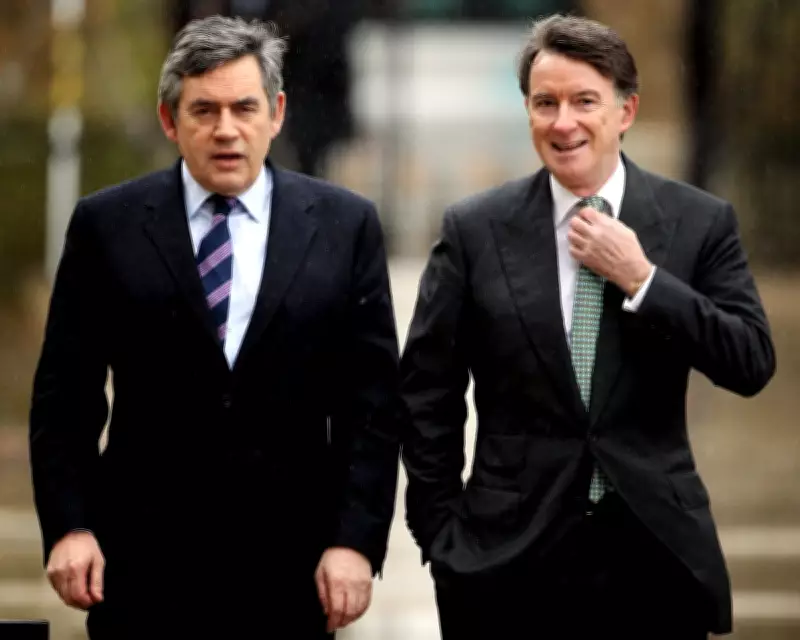
Gordon Brown Voices Profound Regret Over Mandelson Government Role
Former Prime Minister Gordon Brown has publicly stated his deep regret over bringing Peter Mandelson into his government, following explosive revelations about Jeffrey Epstein's influence on UK politics. Brown described feeling revulsion upon learning the details, which have sent shockwaves through Westminster and beyond.
Brown's Guardian Article Reveals Personal Responsibility
Writing in The Guardian, Brown expressed that news of Mandelson allegedly passing information to Epstein while serving as Business Secretary represented "a betrayal of everything we stand for as a country." The former Labour leader acknowledged his personal responsibility for appointing Mandelson to a ministerial role in 2008, despite their strained personal relationship.
Brown explained his reasoning at the time: "I did so in spite of him being anything but a friend to me, because I thought that his unquestioned knowledge of Europe and beyond could help us as we dealt with the global financial crisis." He now admits this decision was mistaken, stating Mandelson appears to have used market-sensitive inside information to betray both principles and public trust.

New Documents Reveal Closeness of Epstein Ties
The release of thousands of new documents this week has illuminated the extent of Mandelson's connection to Epstein, the late convicted sex offender. These records suggest:
- Mandelson received financial benefits from Epstein
- He allegedly leaked market-sensitive information to the financier
- Their relationship continued beyond Epstein's 2008 imprisonment
This has prompted a criminal investigation into misconduct in public office offences involving the 72-year-old former minister. Metropolitan Police officers have conducted searches at properties connected to Mandelson in north London and Wiltshire as part of their ongoing inquiries.
Political Fallout and Labour Party Tensions
The revelations have created significant turmoil within the Labour Party, particularly after Prime Minister Keir Starmer disclosed he approved Mandelson's appointment as ambassador to the US while aware of his post-prison connections to Epstein. Mandelson was subsequently dismissed from this role in September.
Labour MPs have expressed alarm that Starmer's decision to publish thousands of related documents could lead to months of damaging headlines. The scale of documentation is substantial, with government officials estimating the total in the "high tens of thousands," comparable to a public inquiry workload.
Calls for Political Reform and Staff Changes
Brown has called for comprehensive action to address what he sees as corrosive effects on public trust in politics. His proposals include:
- US-style confirmation hearings for new government ministers
- A powerful independent anti-corruption commission
- Expanded powers for the ethics and integrity commission established last year
Meanwhile, some Labour MPs have demanded changes in Downing Street staffing. Simon Opher, MP for Stroud, told the BBC that Starmer needs to change his advisers in No 10, specifically calling for the removal of chief of staff Morgan McSweeney, who is close to Mandelson and reportedly advocated for his appointment. Downing Street has confirmed McSweeney retains the Prime Minister's confidence.
Broader Implications for British Democracy
Brown emphasized the importance of addressing such scandals to protect democratic institutions, stating: "We owe it to victims and British democracy to demand change." The former Prime Minister's intervention adds significant weight to growing concerns about political integrity and transparency.
As documents continue to be reviewed and potentially released over coming weeks, the Mandelson-Epstein connection promises to remain a contentious issue in British politics, testing Labour Party unity and public confidence in political processes.