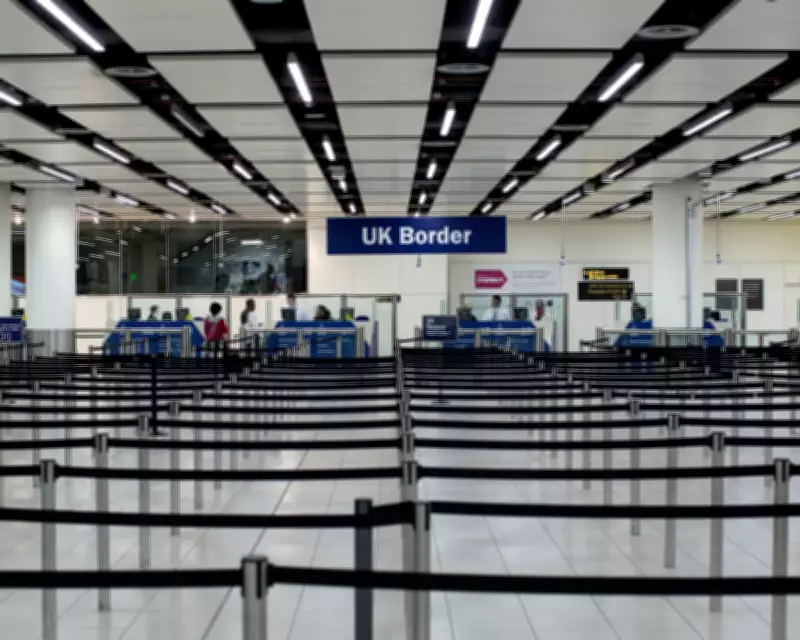
There was a 69% drop in net migration in the 12 months to June 2025, to the lowest annual figure since 2021, according to government figures. Despite this sharp decline, a new study by the thinktank British Future reveals that a substantial portion of the public mistakenly believes net migration is still rising.
Perception Gap Widens
The research, conducted ahead of the latest official migration figures, shows a chasm between reality and public perception. Net migration peaked at 944,000 in the year to March 2023 before falling to 204,000 in the year to June 2025. The latest figures, expected on Thursday, are projected to show a further decrease.
According to the study, 67% of people with sceptical views on immigration believe net migration increased in 2025, compared with 37% of those with more liberal views. Six in 10 people who want immigration reduced also think numbers are still rising. Only 15% of people expect net migration to be lower in the next year.

Misperceptions on Asylum and Study
The researchers found that people believe individuals seeking asylum account for 33% of immigration, when in reality it is about 9%. Similarly, they believe people travelling to the UK for study account for 24% of immigration, when it is in fact just over half.
Sunder Katwala, director of British Future, said: “It’s little wonder voters think net migration is going up when the only debate we have is about how to bring it down. We should be having a conversation about how to manage the pressures and gains of migration to Britain.”
Political Context
Since the Brexit referendum, immigration debate has become increasingly polarised. “Stop the boats” rhetoric and pledges to curb Channel crossings have shaped attitudes. Guardian analysis shows that Labour and Conservative MPs have spoken with increasing hostility about immigration in the past five years.
Home Secretary Shabana Mahmood acknowledged the 69% drop but said: “We are going further because the pace and scale of migration has placed immense pressure on local communities.” Shadow home secretary Chris Philp said: “We need to go much further.” Reform UK has pledged to reach “net zero” immigration, while its leader Nigel Farage falsely claimed the drop was due to British emigration, not fewer arrivals.
Broader Concerns
Immigration ranks as the third most important issue for the public, behind the cost of living and the NHS. Sophie Stowers of More in Common noted that images of small boat arrivals and asylum hotels evoke stronger reactions than official figures. “Net migration or legal migration is only part of the story,” she said.
If current trends continue, all parties may face a different immigration context by the 2029 general election. Stowers added: “It’s not even just about immigration any more; it’s a whole proxy for whether the system we have is working or not.”