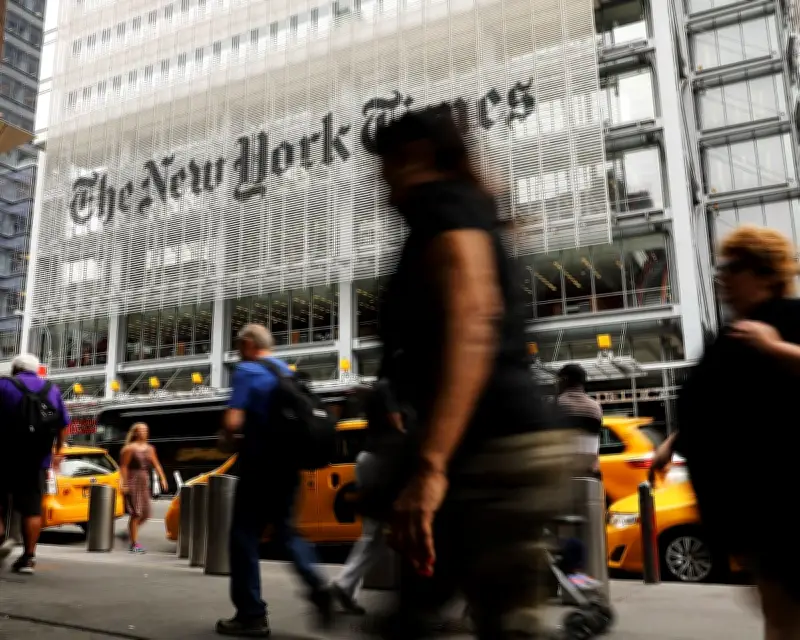
The Trump administration's subpoena of New York Times reporters in a leak investigation is not about finding leakers but about punishing journalists, argues Pulitzer Prize-winning journalist James Risen. In a commentary, Risen notes that a decade ago, experts predicted he would be the last journalist subpoenaed in a leak investigation due to new surveillance technology. However, that prediction proved wrong, as the Trump administration has now subpoenaed Times reporters over a story about problems with a plane gifted by Qatar.
The Unremarkable Story at the Center
The story in question reported that Donald Trump flew to a NATO summit in Turkey on a Qatar-provided plane but left on Air Force One due to security issues. Risen calls this a routine Washington story, and the administration's claims of sensitive national security information are laughable, especially since Trump himself said the plane needed to be 'maxed out.' The case is so specious it should be tossed out of court, but it serves as Trump's latest excuse to punish reporters.
Escalating Attacks on Press Freedom
The administration has sought not only the phone records of the reporters but also those of their family members, a vicious legal tactic. Risen argues that Trump's priority is punishing reporters, not prosecuting government officials. This abuse of power is a danger inherent in leak investigations, where an autocratic president and a captive justice department can misuse the legal process to imprison reporters.

Historical Context of Leak Investigations
Draconian leak investigations are a post-9/11 phenomenon. Before that, such investigations were usually dropped. The Plame case in 2003 normalized aggressive leak investigations, leading to subpoenas for reporters. Risen himself was embroiled in such fights. Today, Trump's attacks on press freedom undermine his agenda; for example, the Iran war lacks press coverage, making it the least popular war on record.
Risen concludes that his seven-year fight against the government was worthwhile, as it made officials reluctant to subpoena reporters for over a decade. But with a would-be autocrat in the White House, all bets are off.