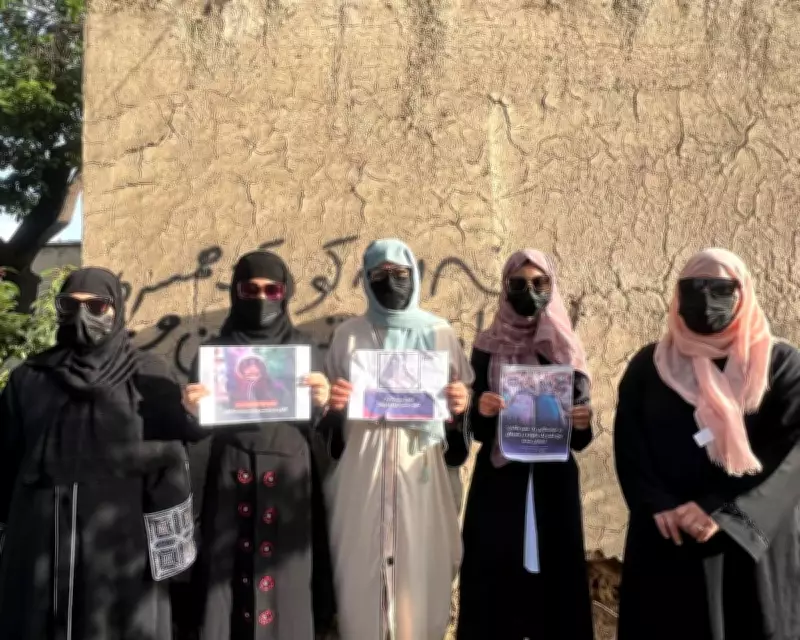
Child marriage appears to have been legally recognised for the first time by the Taliban in Afghanistan, as activists say new laws make it almost impossible for girls and young women to seek divorce against their husbands' will.
Rise in Forced Marriages
There are no official statistics on forced and underage marriages in Afghanistan, but activists say it has risen at an alarming rate in recent years, driven by the ban on girls being in education after the age of 11. One informal estimate suggested that since the Taliban barred them from education, about 70% had been pushed into early or forced marriage, and 66% of these marriages involved girls under 18.
New Divorce Law
There is no ban on child marriage in Afghanistan under the Taliban, but a new law on divorce approved last week appears to suggest that a girl who later says she was married against her will would not be permitted a divorce if her husband disagrees. The new law also suggests that a woman cannot divorce her husband solely on the grounds of his absence or failure to provide financial support.

There have been reported demonstrations against the new law in Kabul this week, with several women's rights movements condemning the law as a form of systemic violence against women and children.
Activist Condemnation
One activist, Fatima, said: "After issuing hundreds of anti-women decrees, the Taliban are now attempting to institutionalise child marriage within the formal legal structure. Instead of ensuring security and justice, the Taliban are occupied with issuing shameful misogynistic decrees and suppressing human freedoms."
The UN Assistance Mission in Afghanistan (UNAMA) also expressed concern. Georgette Gagnon of UNAMA said the new law was "part of a broader and deeply concerning trajectory in which the rights of Afghan women and girls are being eroded … it entrenches a system in which Afghan women and girls are denied autonomy, opportunity and access to justice."
Taliban Response
A Taliban government spokesman dismissed criticism, saying: "We should pay no attention to the protests of those who are hostile, who have problems with Islam, with religion and with the foundations of the Islamic system."
Impact on Victims
Recent research from the Afghanistan Human Rights Center found that most victims of child marriage reported domestic violence and severe psychological distress. Earlier this month, a 15-year-old girl in Daikundi province died after enduring months of domestic violence, including severe beatings by her husband. Her father said local elders intervened after each beating but persuaded her to remain in the marriage.
Abdul Ahad Farzam, of the Afghanistan Independent Human Rights Commission, said: "The Taliban's new code and the governing approach behind it legitimise child marriage, restrict the principle of free consent in marriage, and in some cases even deprive women of that right. It reinforces patriarchal structures and places women in a subordinate and legally unequal position."