Uncovering the Hidden History of Anti-Nazi Resistance
In his latest work, The Secret War Against Hate, Pulitzer Prize finalist Steven J Ross delves into the covert operations that thwarted American Nazi groups after World War II. A sequel to his acclaimed Hitler in Los Angeles, the book shifts focus from 1930s Los Angeles to post-war Atlanta and New York, where activists and undercover agents infiltrated and dismantled emerging Nazi organizations.
Ross, a distinguished history professor at the University of Southern California, describes the discovery of this untold story as a historian's dream. 'With Hitler in LA, Leon Lewis hid the spy codes, but once I figured it out, I realized I had an unknown story that's really important,' he says. 'I changed my writing style to be a guide through the narrative.'
The Forgotten Fighters and Their Targets
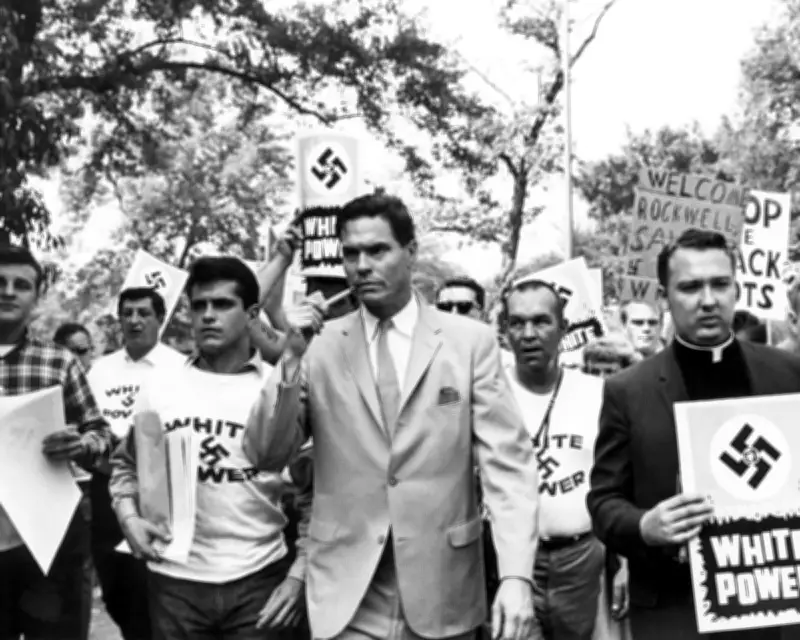
The book highlights key figures from the Non-Sectarian Anti-Nazi League (NSANL), the Anti-Defamation League (ADL), and the American Jewish Committee (AJC), who ran undercover operations against groups like the Columbians and the National Renaissance Party. Leaders such as Emory Burke, Jesse Stoner, and James Madole are now largely forgotten, but their legacy of violence and fear persists. George Lincoln Rockwell's American Nazi Party, known for its showmanship, ended with Rockwell's murder by a follower.

Ross emphasizes that the threat was real. 'There will be reviewers who ask, “Were these people ever really a danger?” The answer is yes, look at the bombings in the South during the 1950s and 1960s against civil rights activists and Jewish and Black communities,' he says. 'Fear alone is enough to assault life, liberty, and the pursuit of happiness.'
Parallels to the Present
Ross draws direct lines from post-war extremism to today's far-right resurgence, including the militia movement, the Proud Boys, and the Oath Keepers. He argues that Donald Trump serves as a 'führer of convenience' for these groups, uniting them under a single figure. 'The politics have not changed that much,' Ross observes. 'At the core is a white Christian America where people of color are welcome only if they stay on the margins.'
The book also explores the Christian Identity movement, a racist and antisemitic ideology that emerged in the mid-20th century and remains influential. Ross notes that under Trump, figures like Pete Hegseth, accused of alcohol abuse and sexual assault, have promoted extremist views from positions of power.
A Call to Action
Ross concludes with two suggestions for combating extremism: vote and educate yourself about far-right history. 'We need an educated citizenry that is against insane people,' he says. 'The far left and far right are not equivalent; the Nazis want to kill people.' The Secret War Against Hate is now available, offering a timely reminder that the battle against hatred is far from over.